
I have recently visited one of my clients fabricating a range of well-known industrial heavy duty transport vehicles. I have been asked to evaluate employees’ exposure to various occupational contaminants ranging from simple nuisance dust, volatiles to toxic and carcinogenic welding fumes.
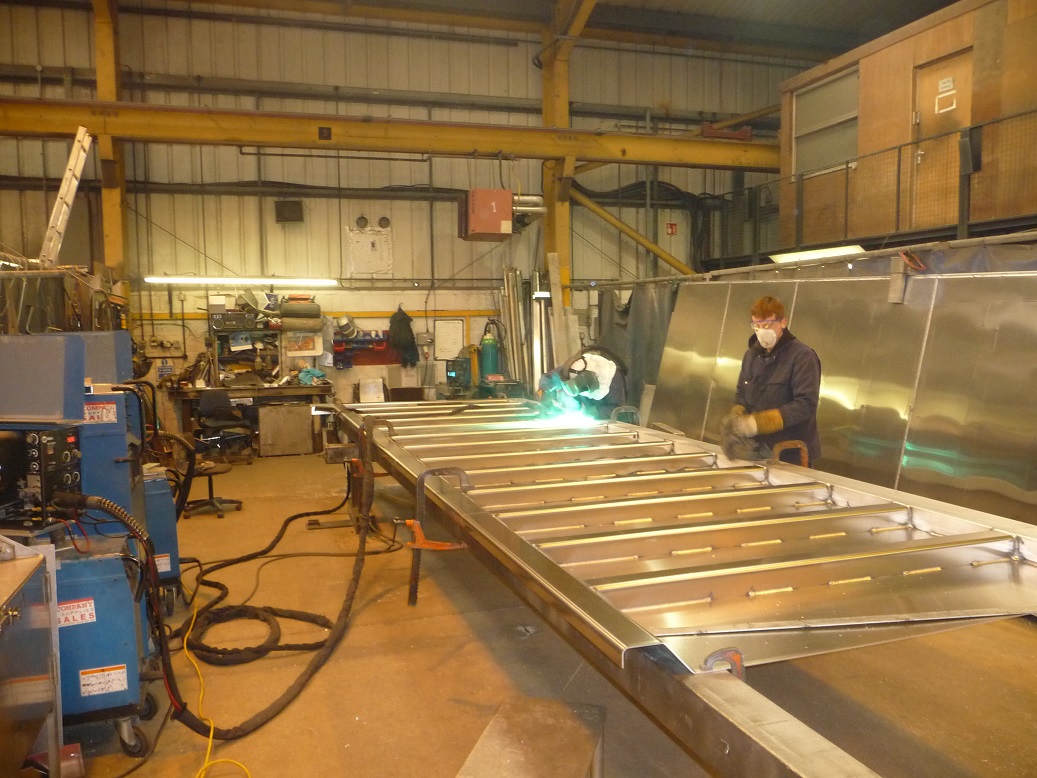
The production facility consisted of two large open plan fabrication buildings. The main fabrication building housed offices, welfare facilities and open plan production floor. There were several vehicle housing body building and fitting bays, machine shop, gear shop and a press shop. The site employed just over 50 employees in the production areas.
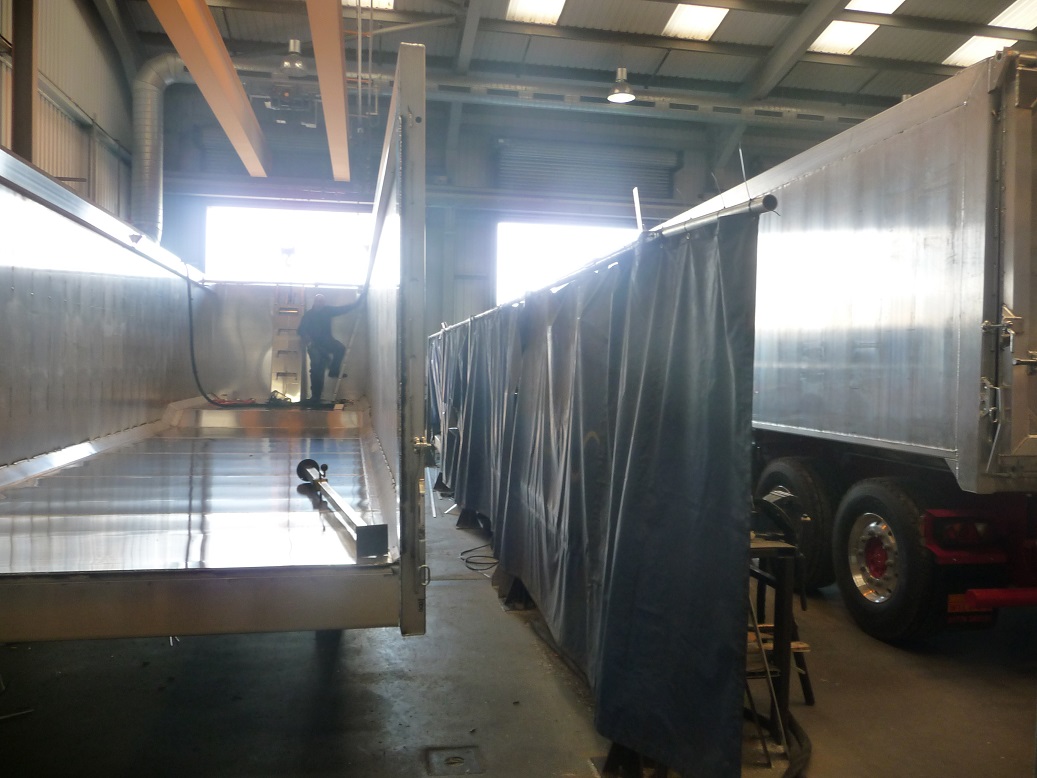
The gear fitting area consisted of two vehicle bays where 5 employees fitted gears and other assorted pieces to the vehicle’s body. The employees in this area were using MIG & TIG welding for short periods of time. The machine shop consisted of one fully enclosed area housing drills, lathes and wheel grinder on the ground floor and open saw area on the first floor.
The main fabrication area was a large open plan area with about 30 employees. The area was divided into a number of building bays and fitting bays and an inspection area. The vehicle body building employees typically used MIG welding for approximately 2-4 hours a day and TIG welding for up to 1 hour a day. Most of the vehicle bodies are constructed from aluminium sections, small proportion of the vehicle bodies are constructed from mild steel sections.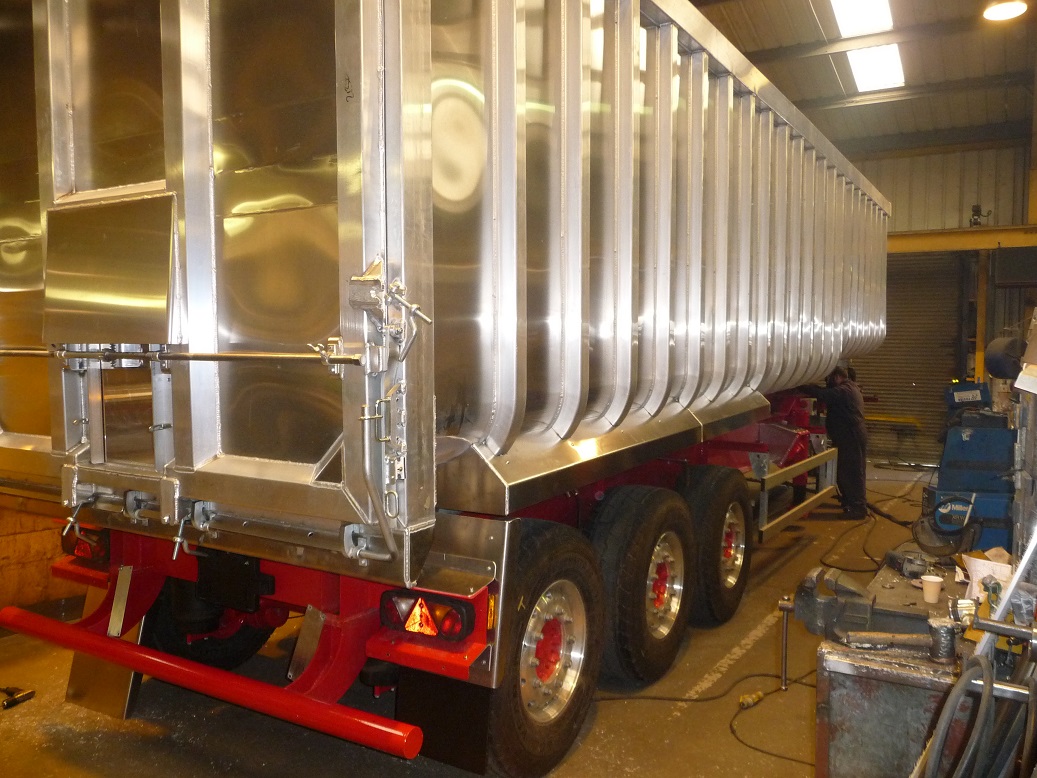
The welding operatives use MIG welding system with argon shield gas and Sifalumin No 27 5356 wire and TIG welding system Sifalumin No 27 5356 welding rods. The fume composition of wire is Fe=0.15%; Mn=5.02%, Cu=0.0002%, Cr=0.107%.
I have carried out a welding fumes exposure assessment in accordance with HSE guidance and validated sample collection methods. I was able to demonstrate that the contaminant control in this factory was addressed adequately. The combination of general ventilation, localised extraction systems backed by administrative measures and respiratory protection ensured that the risk to employees was very low. The collected samples and the results provided reliable data the fabrication operatives are unlikely to be exposed to levels of Chromium, Hexavalent Chromium, Manganese and Copper fumes above the recommended workplace exposure limits.
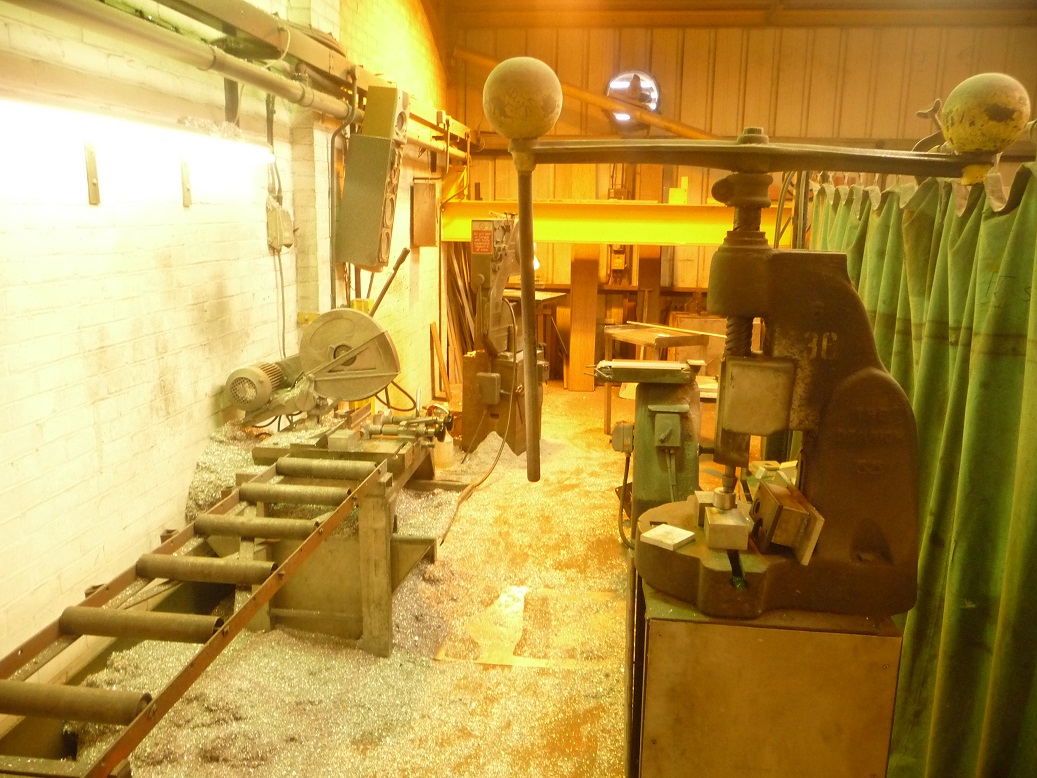
However the test result also showed that some of the operatives were likely to be exposed to levels of inhalable dust and aluminium dust above the recommended workplace exposure limits.
