Reports of adverse health symptoms
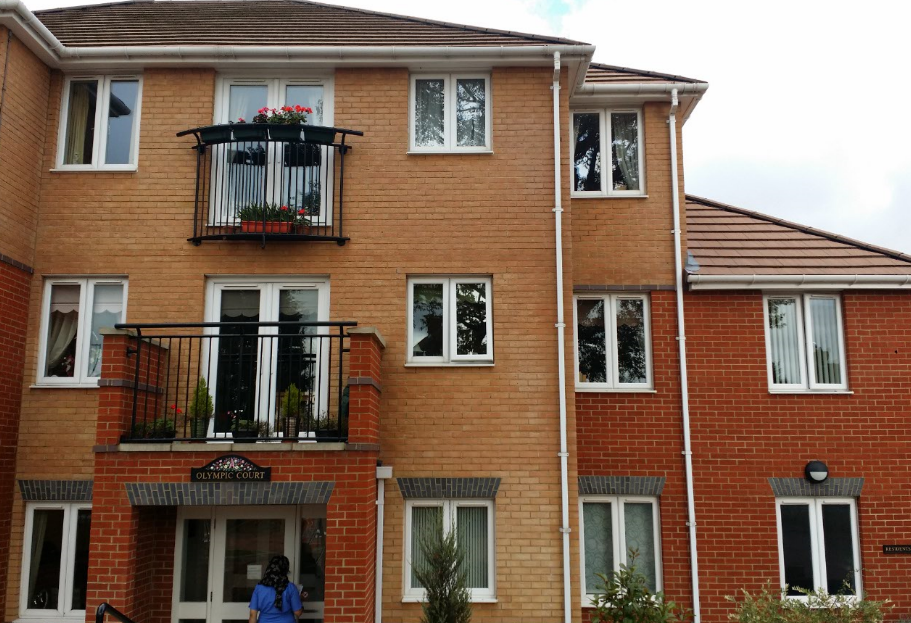
Most recently, we were in Luton where we were asked to conduct an assessment of the indoor air quality in an apartment. Our client contacted us with concerns for her health as she had reported experiencing adverse health symptoms which include blood clots and respiratory irritations. These symptoms were first noted as soon as our client moved into the property, although these original symptoms subsided she reported new symptoms which included skin irritations, respiratory sensitivity and eye irritations. Neurological symptoms such as; tiredness and nausea were also noted.
At the time of our assessment our client was still experiencing adverse health symptoms. She felt that these symptoms worsened during the night but they completely subside when exiting the property. Medical advice was sought in a bid to get to the root cause of her symptoms. Allergy testing was carried out and revealed that our client was not suffering with any allergies.
Assessing the indoor air quality
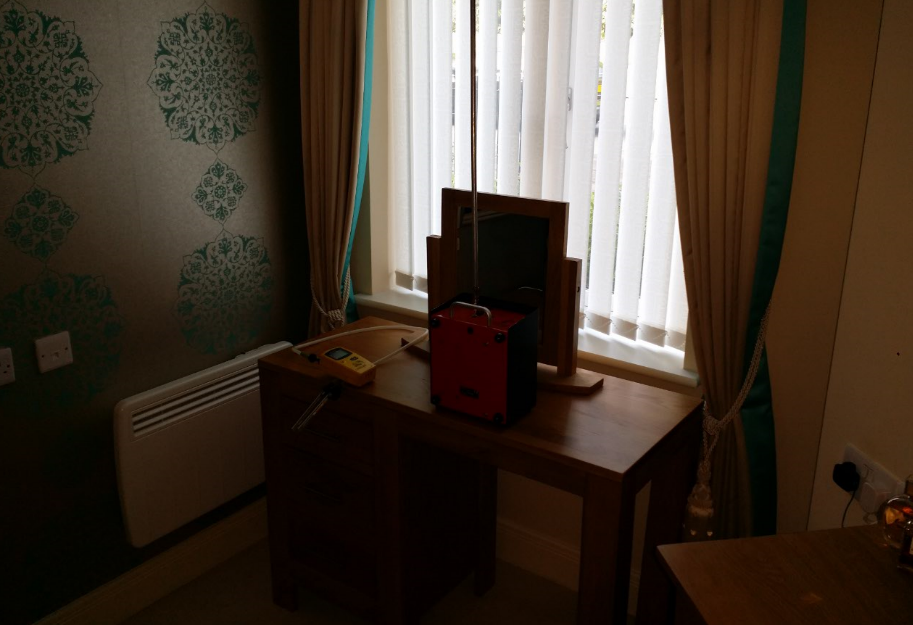
When assessing the indoor air quality, we look for contaminants within the air such as; volatile organic compounds (VOCs), airborne viable moulds and airborne moulds. In order to test the air for these contaminants we must take samples for each of them, we do this using different processes and specialist equipment for each of them. We collect samples of VOCs using personal samplers which are fitted with TENAX anasorb thermal absorption tubes and SKC 226-119 tubes respectively. Sampling flow rates were calibrated prior to and after sampling using an FM 4 Bios 510M primary calibrator working flow meter.
We also take samples of airborne viable moulds, these are collected by an SKC biostage 200 sampler using a high flow 1600 air sampling pump. Sampling flow rates were calibrated prior to and after sampling using an FM 1 (2-25l/min) working flow meter. These samples were collected onto 90mm microbiological growth plates with ME or SD agar medium.
Finally, samples of airborne moulds were collected onto Vesta spore trap cassettes using a high flow 1600 sampling pump. Sampling flow rates were once again calibrated prior to and after sampling, using a FW 1 (2-25l/min) working flow meter. These samples were collected over a period of ten minutes and we collected a total volume of 200 litres.
Was the air contaminated?
Based on the results of visual observation, microbiological sampling and identification and moisture mapping our surveyor concluded that the indoor air quality in the property can be described as adequate. This is because only small concentrations of the volatile organic compounds; formaldehyde and 4-phenyl cyclohexane were present in the property. VOCs at this concentration are unlikely to cause adverse health symptoms.
Throughout the property there was no evidence of mould contamination, dampness, humidity or elevated moisture content in materials. This meant that the atmosphere within the property was not favourable for mould growth.
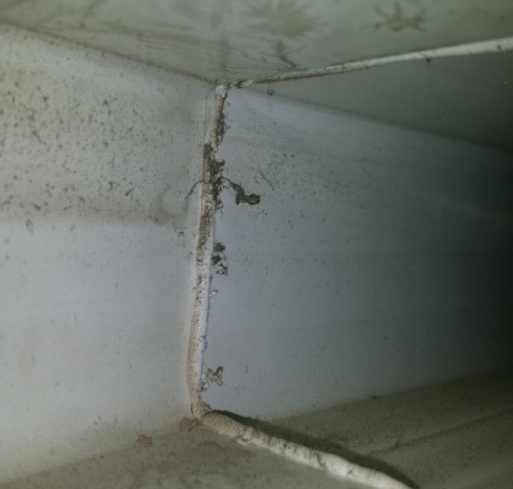
The only recommendation our surveyor had for our client, was to ensure that the sections of ducting of the air management system are cleaned regularly as dust and debris had accumulated in them (see image below). It is possible that this accumulation of dust and debris could be causing respiratory irritation to our client if she is sensitive to dust.