
I have been appointed to carry out an indoor air quality test in a newly constructed medical facility in South of England. The purpose of the assessment was to evaluate the levels of volatile organic compounds and formaldehyde after the building has been constructed. The construction company has built the building in accordance with BREEAM sustainable construction scheme and was aiming to achieve excellence scope for the new development.
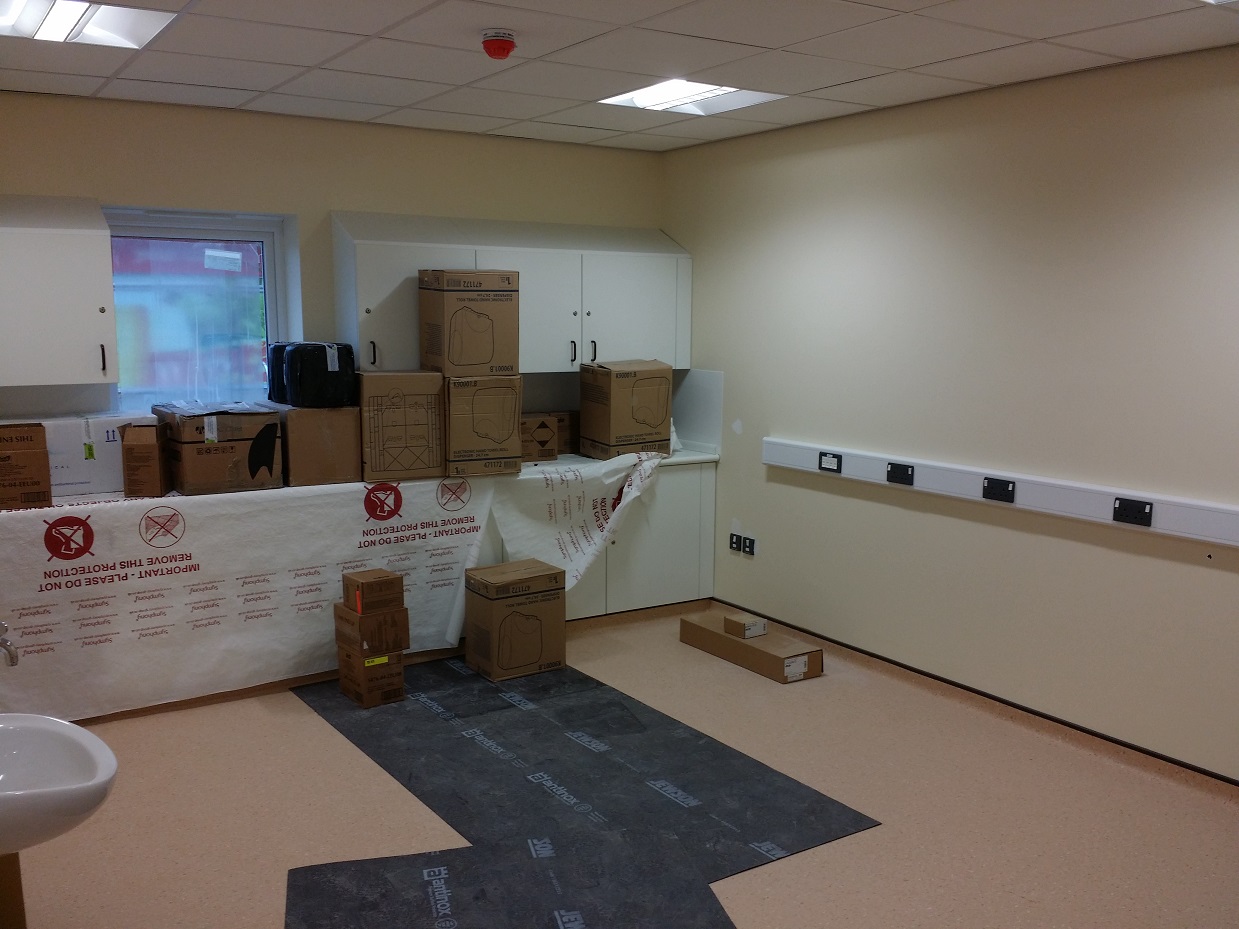
The new medical centre was situated on the ground floor of a larger residential and commercial building. The medical centre consisted of 12 consultancy rooms all fitted with medical grade acoustic suspended ceilings, plasterboard partition walls and linoleum to floor. There are further 6 offices and meeting rooms and a number of storage cupboards.
I have carried out sampling of formaldehyde in accordance with the ISO 16000-3:2011 Indoor Air Part 3: Determination of formaldehyde and other carbonyl compounds in indoor air and test chamber air – Active sampling method. The sampling for volatile organic compounds was carried out in accordance with the ISO 16000-6:2011 Indoor Air Part 6: Determination of volatile organic compounds in indoor air and test chambers by active sampling on Tenax Ta sorbent, thermal desorption and gas chromatography using MS or MS-FID.
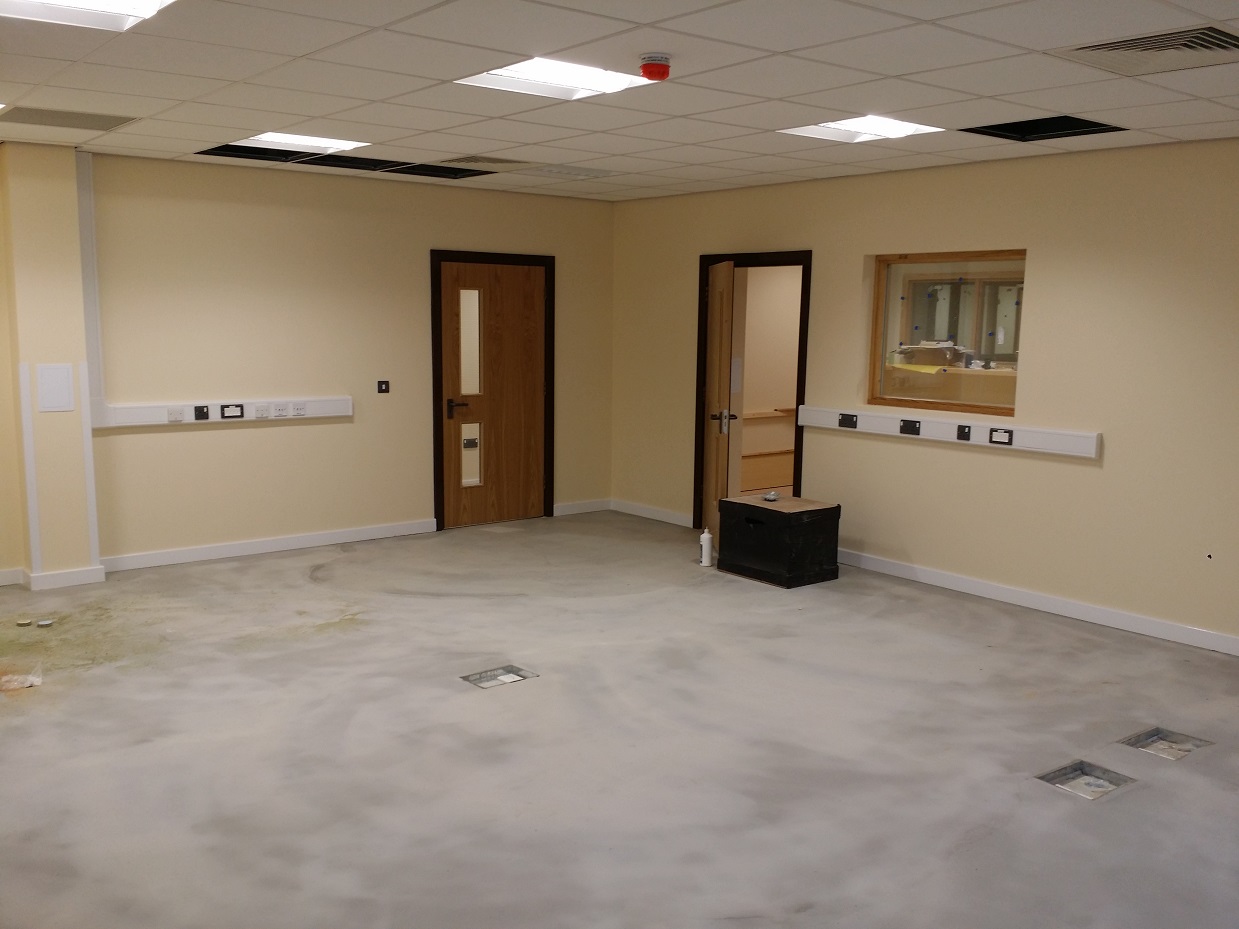
I have carried out a required number of test to fully evaluate the indoor air quality and after the laboratory analysis concluded that the development has achieved acceptable indoor air quality standard. The developer has achieved, by implementation of suitable construction methods and use of sustainable materials to reduce the post construction volatile organic compounds levels to approximately 30% of permissible level and formaldehyde levels to very low 15 percent of maximum permissible level.
