
Indoor air quality plan (IAQP) for new developments must consider many aspects such as location of the new development in relation to significant pollution sources, proposed means of ventilation and the overall building layout. Preparation of an indoor air quality plan in accordance with the BREEAM guidance requires the developer to create a plan of action for controlling the numerous contaminants sources. The pollution however needs to be control not only during the operation of the building but also during the construction phase.
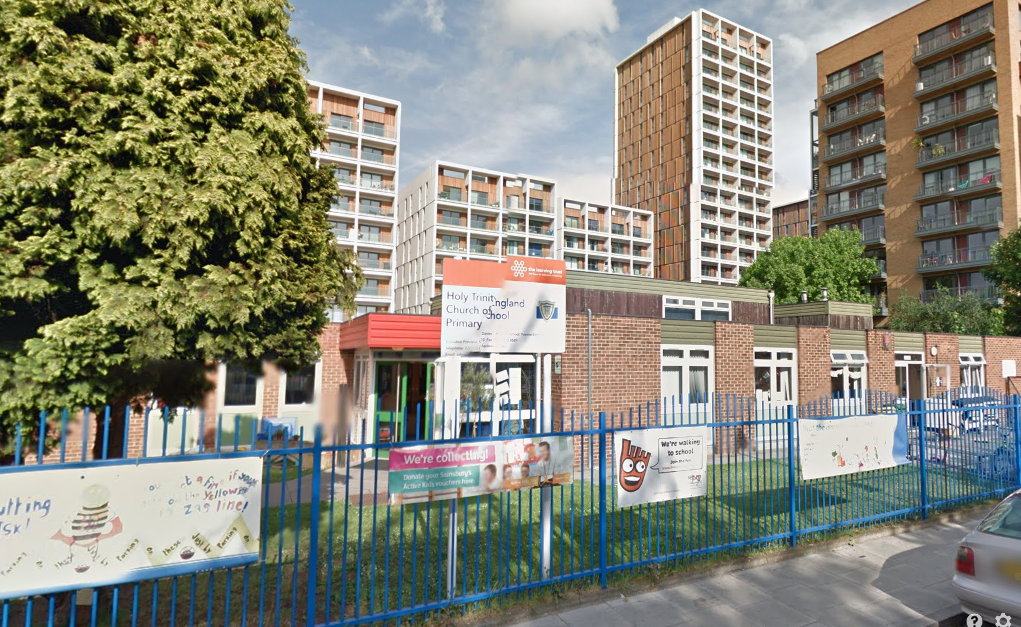
I have prepared an air quality plan for a London based developer who is currently building a new primary school in the London Borough of Hackney. The primary school building is situated in heavily urbanised area and in close proximity to a major road network. In addition to car traffic sources a railway line and a tube line lies in the proximity to the school. The indoor air quality plan requires us to consider these sources of environmental pollution. The London borough of Hackney is currently designated as an air quality management area which exceeds the national air quality objectives for air quality.
The particular problem in the Hackney area are PM10 particulates. Outside air is naturally loaded with particles (dust) of different sizes. We broadly differentiate two major classes of particles. The small particles known as PM2.5 and large particles known as PM10. The PM10 group of particles consists of all particles (dust) in a size range between 2.5 and 10 micrometres in size and the “PM” stands for “Particle Matter”. The PM10 particles originate mainly from smoke, general dirt, soil, farming, road dust, pollen and fungal spores. Due to their relatively large size the larger particles stay suspended in the air only for a short period of time, typically up to several hours and are dispersed only locally (meters to about 30 miles). The PM10 particles are less dangerous than the PM2.5 because they do not penetrate so deep into the lungs, but still they can be an important respiratory sensitiser for the elderly, very young of sensitive individuals.
The indoor air quality plan I have prepared for the primary school considered all these pollution sources as well and other aspect of the development. The arrangement, design and positioning of different parts of the ventilation systems play a crucial role in maintaining good air quality during the lifetime of the building.
The primary school consist of more than 20 classroom, offices and other ancillary rooms. To ensure good air quality in the building during the construction and post construction phase of the development I have proposed measures to control the numerous contaminant sources on the site, advised on how to dilute and dispersed the contaminants how to clear the building from residua construction contaminants and how to maintain good indoor air quality during the lifetime of the building.
