History of poor indoor air quality
For our next project we were invited to a domestic property situated in Newbury and instructed to carry out an indoor air quality assessment and microbiological sampling. The purpose of our investigation was to evaluate the levels of fungal elements in the indoor air and determine the risk to the health of the occupants. The property is a two-storey building with brick external walls and a pitched tiled roof. The building is situated in a residential area of Newbury and is surrounded by properties of similar age and use. The apartment of interest is situated on the first floor of the residential building and consists of a kitchen, two bedrooms, a living room, a bathroom, and a boiler cupboard.
Indoor air quality results and our recommendations
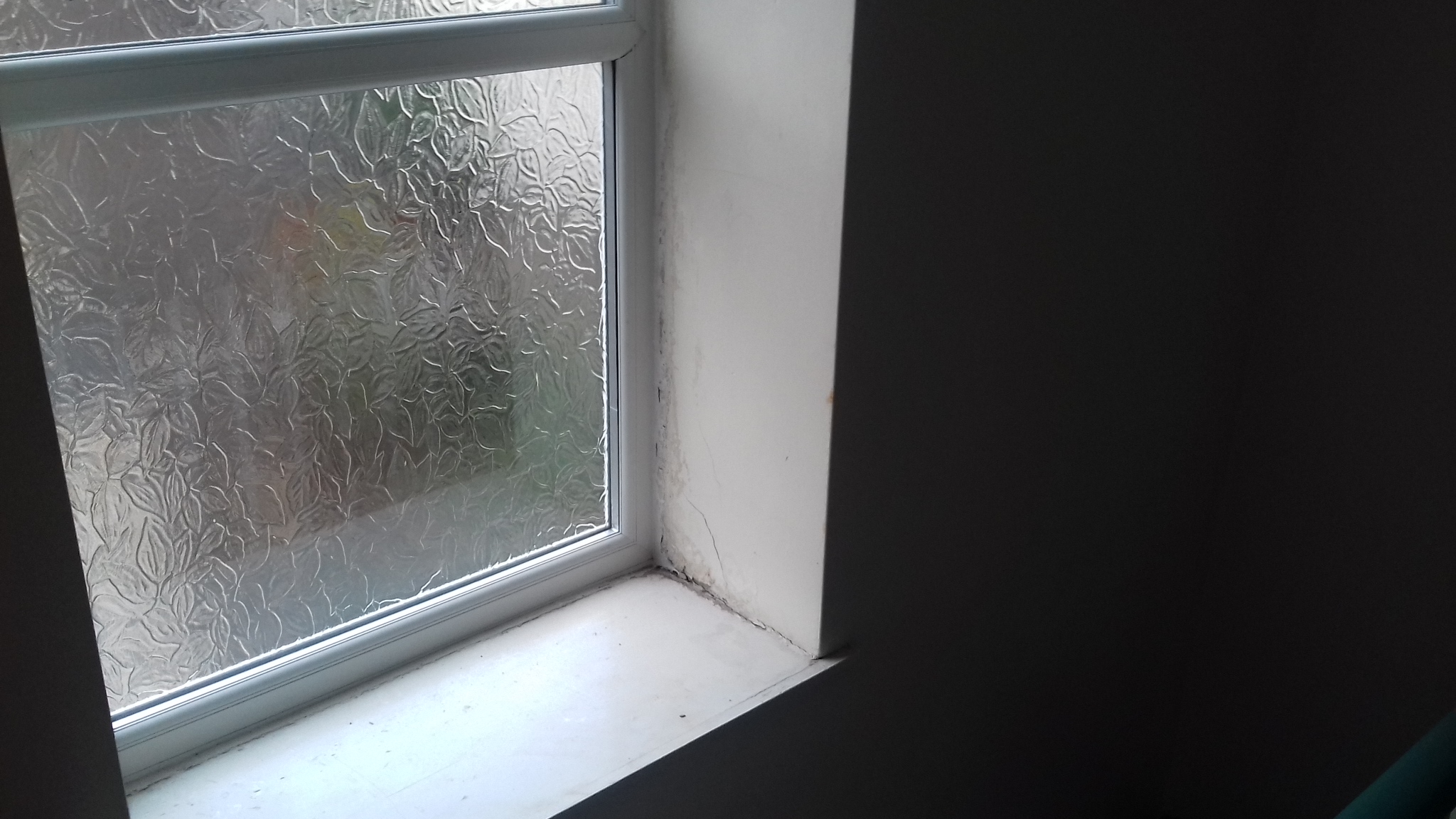
Our surveyor found minor quantities of fungal genera associated with water damage such as Penicillium/Aspergillus spores were observed in the indoor samples. The presence of these types of spores at the concentration detected were not considered as significant. The distribution of non-viable fungal genera in the indoor samples were indicative of normal conditions. Our indoor air quality assessment indicates that the indoor air in the property is not affected by elevated numbers of fungal spores. The composition of identified fungal genera in the building is indicative of normal conditions.
Based on the results of visual observation, microbiological sampling and identification it is our opinion that the overall indoor air quality in the property is not effected by elevated numbers of fungal spores. There is no evidence of fungal contamination in the property. The assessment of all the relevant exposure factor indicates that the overall risk to health from exposure to fungal spores is likely to be low.