Newly constructed properties suffer from leaks and mould problem probably as frequently as old buildings. The difference is that in the old buildings the water damage and mould often develops after a failure of particular components due to age or lack of maintenance in the new building the water damage is usually caused by inadequate construction practices. I have recently inspected an apartment in the Battersea Reach area of London.

The roof and patio of this top spec apartment has developed a water leak which flooded small parts of the property and cause mould to grow inside of the wall cavities. I have been appointed to investigate the matter and specifically to carry out an investigation of specific wall cavities. The objective of the inspection was to identify all affected areas including internal surfaces of cavity walls, remove the identified fungal contamination by appropriate methods and apply suitable treatment to the affected surfaces.

Inspection has been carried out to the plasterboard wall panelling below the patio door which was showing signs of significant fungal contamination. Although, the plasterboard material was dry at the time of the inspection the water damage and fungal contaminations was significant warranting a complete removal of the affected section of the plasterboard wall. The exposed wall cavity was cleaned of any visible fungal growth by scrubbing, chemical application and HEPA (High Efficiency Particle Arrestor) vacuuming commonly employed for removal of toxic substances. The contaminated material was bagged and removed from the property. All surrounding materials and decorative finishes were inspected and deemed to be free from water damage, excessive moisture and fungal contamination.

Further inspection was carried out to several sections of internal partition walls separating different rooms. Small amounts of mould contamination were identified to the bottom of the plasterboard walls affecting approximately 5cm of the lowest section of the walls. Identified fungal contamination was removed and wall surface was chemically treated. Boroscopic inspection of the cavity walls did not identify any areas of fungal contamination in the wall cavities. The bottom 5cm of the plasterboard walls have been removed and further 20cm beyond any visible mould contamination were scrubbed and chemically treated. At the time of the inspection the all the previously affected walls were dry and structurally sound.

We concluded that at the time of the inspection all contaminated materials were removed, cleaned surfaces were chemically treated and any dust and debris which might have been contaminated by mould residue and spores was removed by HEPA vacuuming. All accessible areas were inspected for signs of water damage and fungal contamination and were found to be in good condition. The root cause of the contamination, a service leak, was identified and resolved prior to the inspection.
By Tomas Gabor
Tips to help with Water damage
- Control Moisture
The best way to prevent mould is to control dampness. The most serious infestations usually occur in damp crawlspaces, attics, walls, and where water could’ve leaked from the outside. Stopping leaks and ensuring good ventilation in these areas and making sure they stay dry are the best defences against mould contamination. - Have adequete ventilation
The dampest room in the house is most likely the bathroom. Consider getting bigger ventilation fans installed as the smaller fans may not extract enough moisture. - Humidity sensors or dehumidifiers
Humidity sensors can automatically turn fans on and off as moisture levels rise and fall. Dehumidifiers are also a good defence for moisture and keeping your indoor air quality fresh. These will extract all of the moisture from the air to prevent a habitable environment for mould. - Clean excess moisture
Once you have showered or had a bath there will be a significant amount of condensation on the windows and walls. Mould can grow in just about any location as long as it is damp. It is advised to clean off any excess condensation once you have finished in the bathroom and make sure there is ventilation so it doesn’t reset once you have cleaned it. - Clean any visible mould
If you notice mould growing it is advised to get rid of it by scrubbing with detergent and water and let the surface completely dry. You can purchase mould removing detergent from most supermarkets.
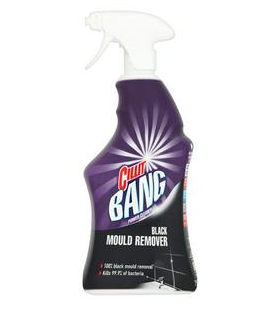
6. Use anti mould paint
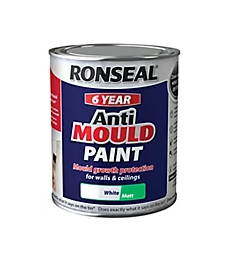
In areas that are going to be damp such as bathrooms, we advise using anti mould paint. You can pick this up at stores such as B&Q which will allow you to decorate your bathroom without worrying about redecorating every time you remove mould contamination. Most anti mould paint lasts up to 6 years from application.