
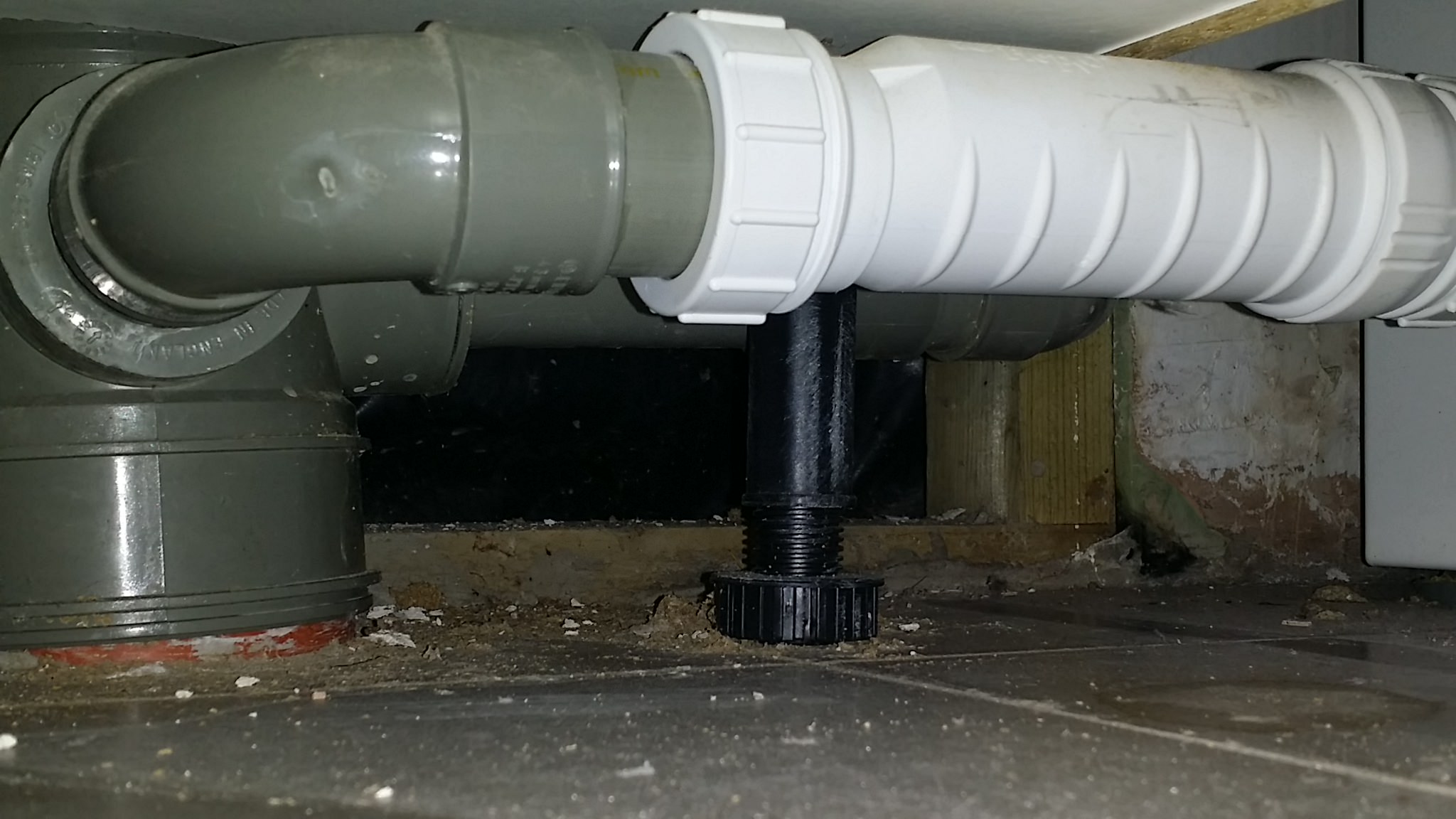
I have visited a four storey terraced house in the inner London city area which has been subjected to several water leaks some of which were caused by black water. The family living in this house has moved in only couple of months ago and has already endured three significant leaks which have flooded parts of the house. At the time of my investigation none of the family members suffered from adverse health symptoms however, strong damp related odours were present in the property.
I have carried out a range of qualitative and quantitative tests to evaluate the indoor air quality in the apartment and to establish the extent and severity of the water damage. The property occupants were getting really concerned about the odours in the property and their health. In addition to this, their landlord was particularly slow to react and resolve any issues.
Assessment based on the collection of culturable mould samples showed that the overall concentration of viable mould spores in the indoor environment was elevated in comparison with the background environmental samples. The overall concentration of viable mould spore samples indoors ranged between 700 and 2520 colony forming units per cubic meter. The average background concentration of culturable mould spores in the atmosphere at the time of the assessment was 20 colony forming units per cubic meter.
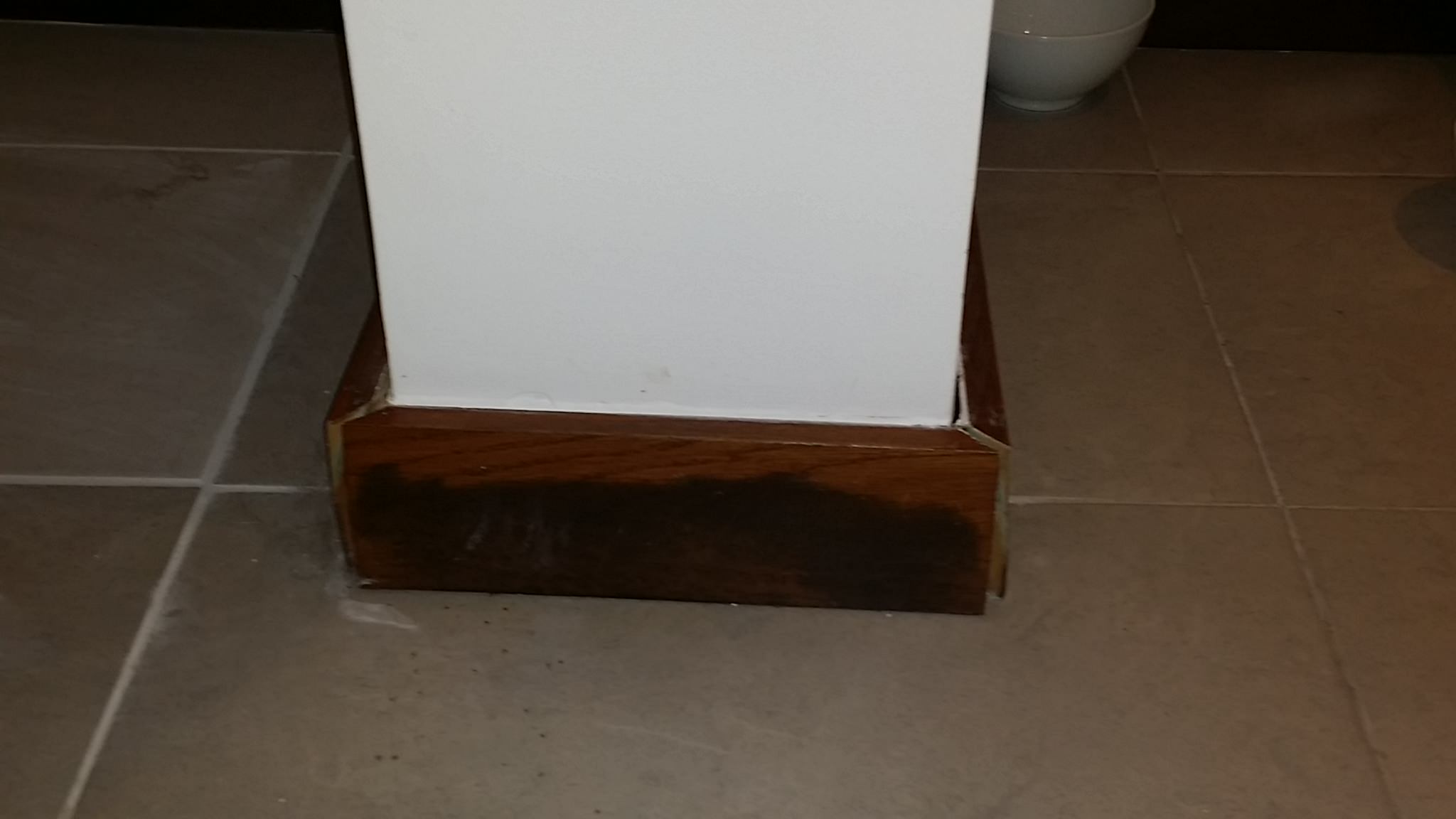
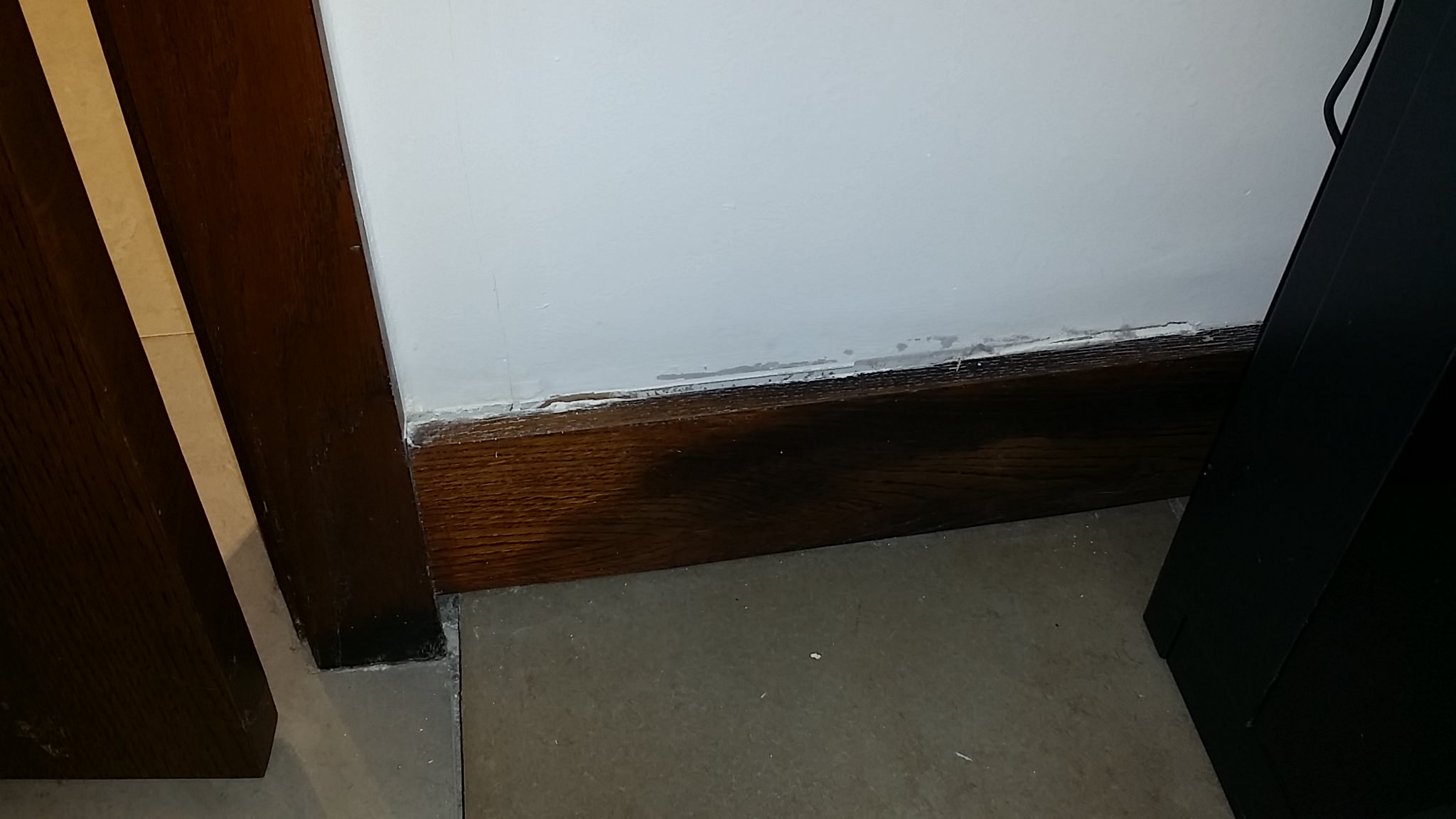
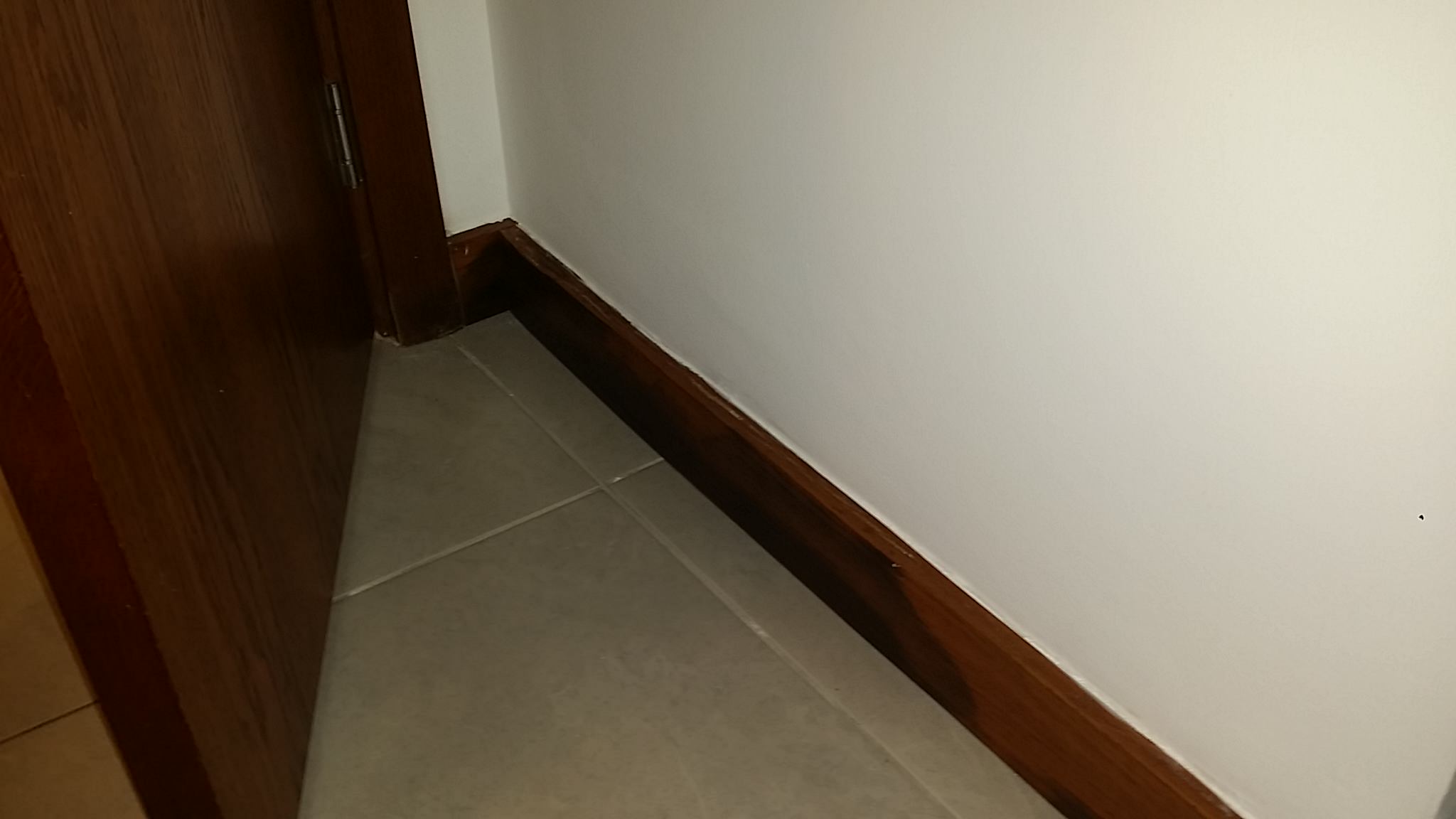
The surface samples collected from the visible mould contamination from some of the rooms show the presence of Chaetomium and Stachybotrys moulds. The samples for the presence of specific black water related bacterial contaminants collected from behind the skirting boards show elevated count of coliform bacterial and also presence of faecal Enterococci.
The moisture mapping investigation proved that the plasterboard partition walls show signs of water damage and material deterioration. The moisture levels in the plasterboard panelling were elevated in the lower 10-20cm of the walls. The decorative wooden skirting boards had significant water damage, delamination and deformation. Significant mould rot was observed to some of the skirting boards.
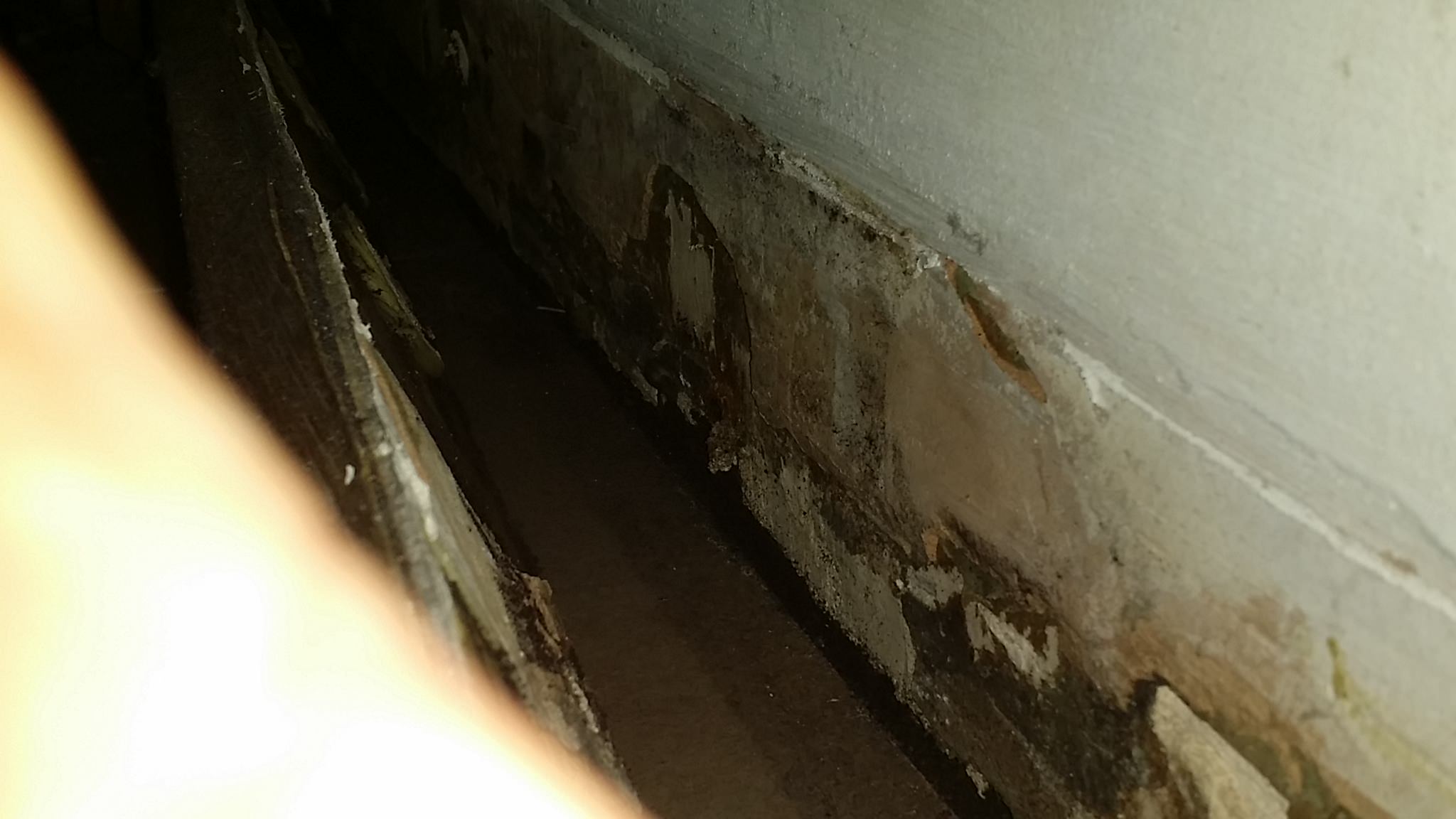
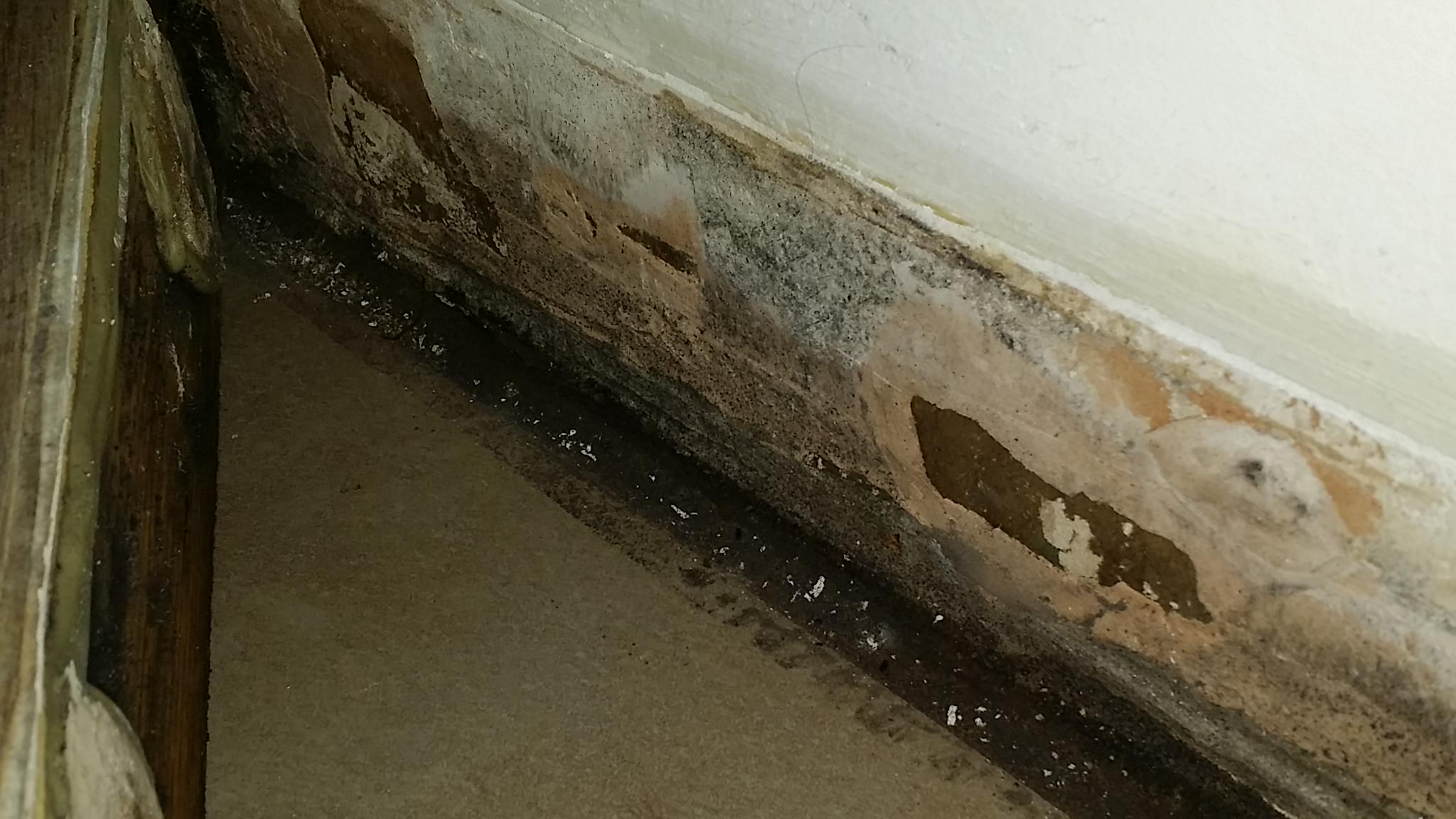
Based on the results of my investigation I have concluded that ground floor of the property has been flooded by black water (sewage);that the sewage related bacteria were still present behind the skirting boards and most likely in the internal walls cavities, the extent of mould contamination to internal wall cavities was likely to exceed 10m2; and the odours in the ground floor areas are caused by elevated moisture levels in materials, mould rot and sewage contamination.
To resolve the water damage and odour issues in the property I have recommended to remove all affected and damaged skirting boards and to removed plasterboard partition wall panelling to at least 30cm high to allow drying. I have advised the client that all exposed areas should be sanities using adequate methods for black water (sewage) and mould contamination.
By Tomas Gabor
