
I have recently carried out an occupation exposure assessment in an injection moulding facility. The employees working at the facility were being exposure to low level of fumes released from the injection moulding machines. The employer was concerned about the potential health risk from the fumes and thus requested a formal evaluation.

Plastics used in injection moulding processes come usually in the form of pellets, granules or powders. These materials can also include additives such as fillers, pigments, fire retardants and stabilisers. Plastics fume, produced when the material is heated in processing, can include respiratory sensitisers, irritants and carcinogens. The exact composition of any fume varies. Immediate effects may include severe irritation to the eyes, nose and lungs. In some cases, the effects can be long-term and irreversible. There are many of the chemical compounds released during injection moulding but the most common are styrene, phenol, hydrogen chloride, butadiene, formaldehyde, acrolein and other aldehyde. The exact composition of the fumes will naturally depend on the initial ingredients and also on the process temperatures which causes thermal degradation of the initial material.
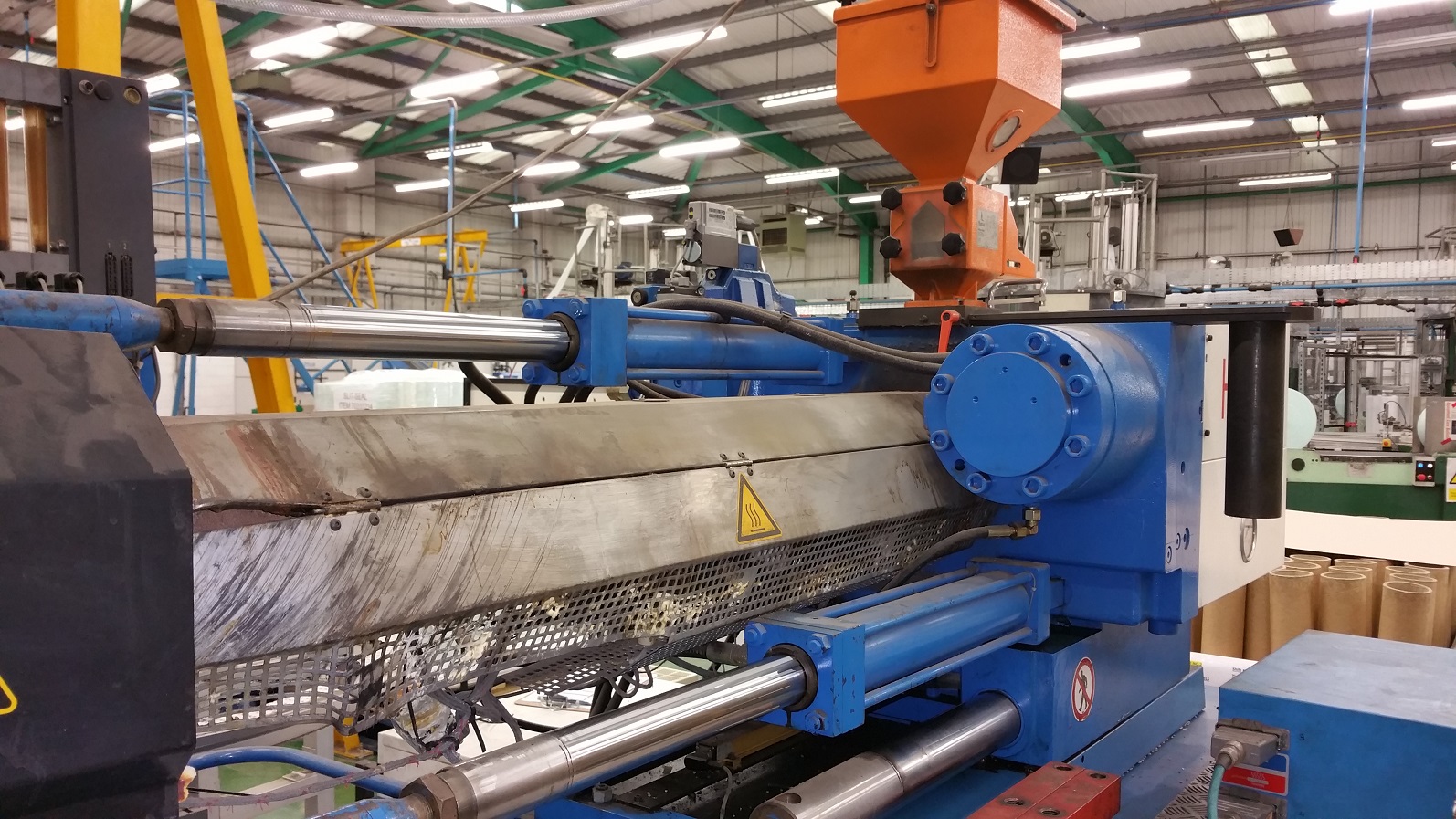
My client specialised in production of hygiene and sanitary equipment for domestic use. The site consisted of two production buildings and one warehouse building. The factory operated 24 hour production and employed approximately 50 employees.

The main base material was polypropylene heterophasic copolymer which was delivered to site in pelletised form in bulk containers. The material was stored in outside silos and is automatically fed into injection moulding machines by a vacuum system. The majority of site operatives were involved in packaging. There was a small number of technicians, whose tasks involve, blow down of the machine before start up and after finish, cleaning of the machines, tool exchange and general maintenance.

The operatives were most likely to be exposed to contaminants present in the ambient air. The maintenance technicians were likely to be exposed to relatively small amount of fumes and dust during regular machine blow downs and during toll changing and machine maintenance. The machine blow downs usually took about 5 minutes, the tool exchanges and cleans are performed approximately 12 times a week.
The supplied MDHS sheets for polypropylene hetorphasic copolymers states that the most likely decomposition products of the base materials are various aldehydes including formaldehyde, acetaldehyde, acrolein, various volatiles and sooth. It was also to be expected that fractions of the polypropylene chain of various lengths would be formed in the process.
My air monitoring results indicated that the employees were unlikely to be exposed to levels of inhalable particulates; volatiles and various aldehydes above the workplace exposure limits (WELs). The results of the assessment indicate that formal health surveillance program was not necessary.
Volatile Organic Compounds and their Effect on Indoor Air Quality
Volatile Organic Compounds, VOCs in short, are emitted as gasses from certain materials, being solids or liquids. These include a number of chemicals, some of which have short and long term health effects. The concentration of VOCs are much higher indoors than outdoors, over 10 times higher indoors…
Organic chemicals are widely used as ingredients in most household products, being paint, varnishes, wax, and many cleaning and disinfecting products.

Some of the sources of VOCs are:
- Paints, paint strippers
- Aerosol sprays
- Wood perservatives
- Cleaners, disinfectants
- Air fresheners
- Fuels
- Modelling supplies (model making, and painting)
- Pesticide
- Building materials
- Printers and copiers
- Glues and adhesives
- Plastic fumes
The list could go on, there are so many sources of VOCs, and over exposure to these in high concentration can lead to health effects and symptoms, such as:
- Eye, nose and throat irritation
- Internal damage such as kidney, liver, and central nervous system
- Loss of coordination
- Cancer
Symptoms
- Respiratory irritation
- Headaches
- Allergic reactions on the skin
- Dyspnea
- Nausea
- Emesis
- Fatigue
- Dizziness

Steps to reduce exposure
- Increase ventilation when using products or working with materials that emit VOCs
- Do not exceed label precautions
- Use integrated pest management techniques to reduce the need for pesticides
- Use household products such as aerosols, disinfectants and cleaners to the manufacturer’s instructions
- Never mix household care products unless directed to by the manufacturer
- Identify the source and remove the source (Formaldehyde is the most common known VOC).
- Contact professionals to give a thorough survey on VOCs in your home or workplace
Sysco Environmental can help with VOC and Formaldehyde monitoring following the BREEAM health & Wellbeing Hea 02 – IAQ, and the consultancy offers a full comprehensive service to assess indoor air and help identify the source.
Get in touch today for a free quote on VOC and Formaldehyde monitoring by following the link below.
Sysco Environmental VOC’s and Formaldehyde Monitoring (BREEAM Indoor Air Quality Compliance)

