
One of my customers has requested a thorough assessment of his employees’ exposure to chemical compounds used in electroplating. My customer was particularly worried that his employees might be exposed to toxic and carcinogenic substances. Because exposures to toxic metals in the electroplating industry occurs via a combination of inhalation, dermal and ingestion routes I have evaluated all the possible routes of exposure.
The company specialises in production of small components for aircraft industry requiring electroplating of small metal pieces. My customer had 5 employees working in the cadmium plating area. Three, female, employees were working at desks packaging plated components. Two, male, employees were working in the plating areas between electroplating tanks. Employees working in this area were likely to be exposed to aerosols containing hazardous metals such as Nickel, Cadmium and Hexavalent Chromium and vapours of hydrochloric acid. Their work involved manually dipping components to various electroplating baths and washing them in treatment and cleaning solutions.
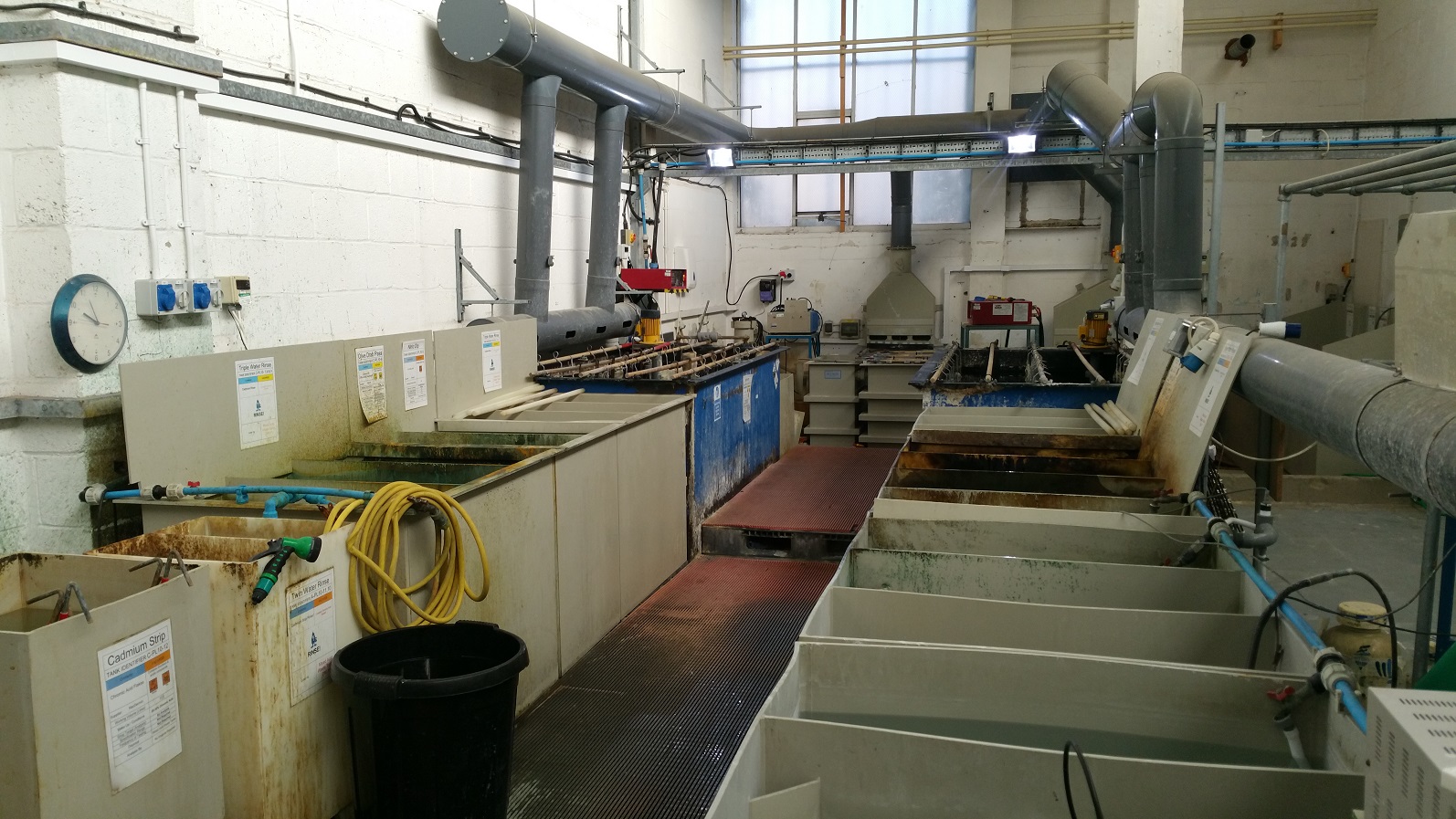
There was another electroplating areas housing large number of electroplating tanks. There were additional five employees working in this area dipping components in various electroplating baths in accordance with particular requirements. There are various plating baths present in this area containing solutions of silver, gold, copper cyanide, nickel, hydrochloric solutions, and alkaline solutions.

Many of the nickel, hexavalent chromium and cadmium compounds used in electroplating can cause serious health effects, including cancer, asthma and dermatitis. Nickel compounds are asthmagens. Soluble nickel salts have recently been reclassified as carcinogens. Chromium trioxide is a hexavalent chromium compound classed as a category 1 (proven human) carcinogen and Cadmium and its compounds are also classified as carcinogens.

I have collected numerous samples for assessment of inhalation exposure in accordance with MDHS 10/2 “Cadmium and inorganic compounds of cadmium in air” and with MDHS 52/3 Hexavalent chromium in chromium plating mists. I have also collected swabs and wipe samples for the assessment of dermal exposure and employees also submitted urine samples for evaluation of total body burden.
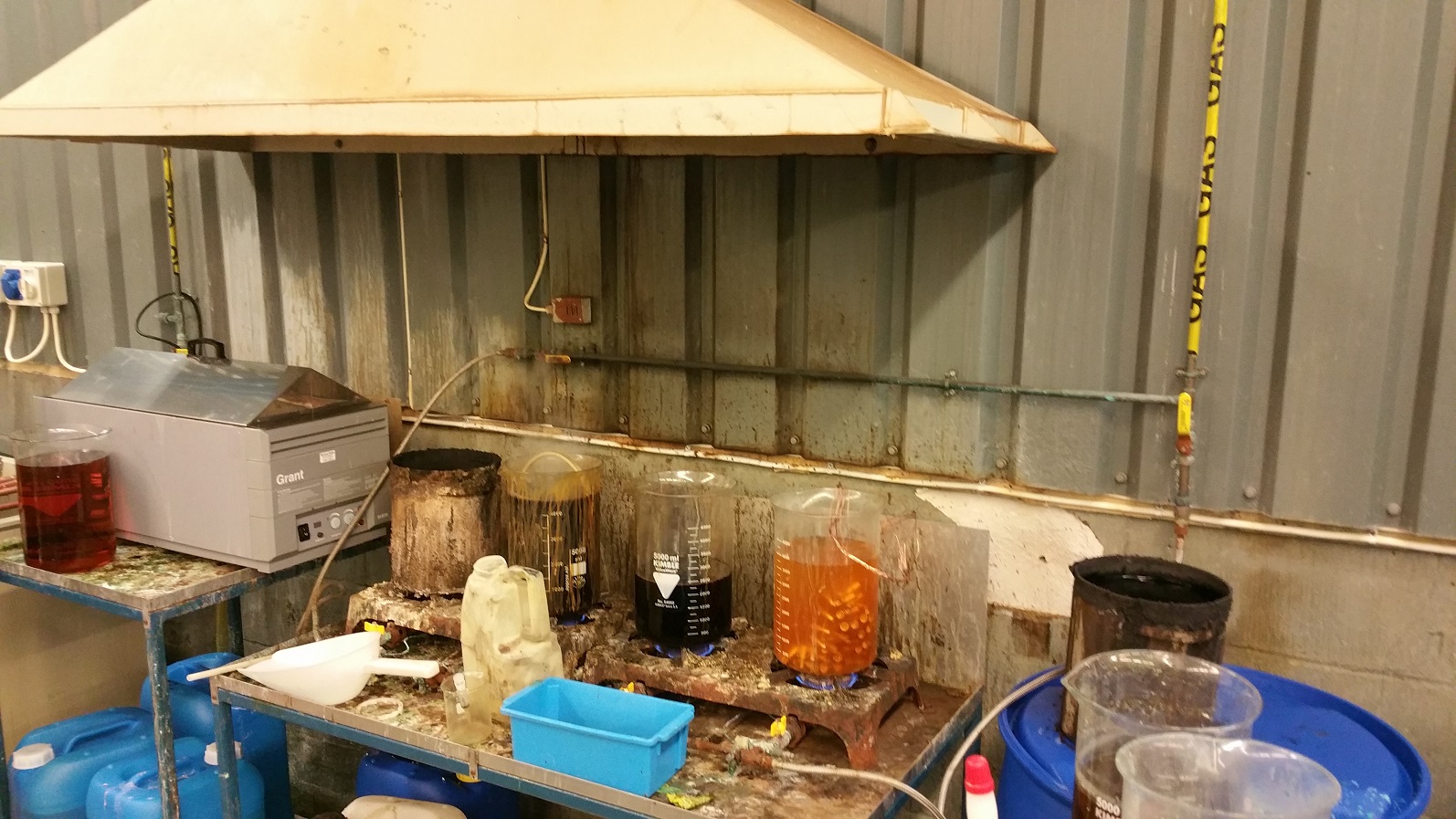
My assessment indicated that the employees were unlikely to be exposed to levels of hexavalent chromium, cadmium, nickel, hydrogen chloride and various volatile organic compounds above the assigned workplace exposure limits (WELs). The dermal exposure assessment indicated that all of the tested individuals had traces of contaminant present of skin. The contaminants’ concentrations were particularly high on the operatives working in the nickel plating area and on operative working in the cadmium plating area dipping components. The relatively high levels of skin exposure is caused by a combination of short disposable gloves which do not cover all of the exposed skin, rolled up sleeves on protective garment, inadequate gloves taking off procedure and the fact that some of the tested individual were not wearing hand protection at all. The urine test showed that the biological exposure limits were not exceeded.
