
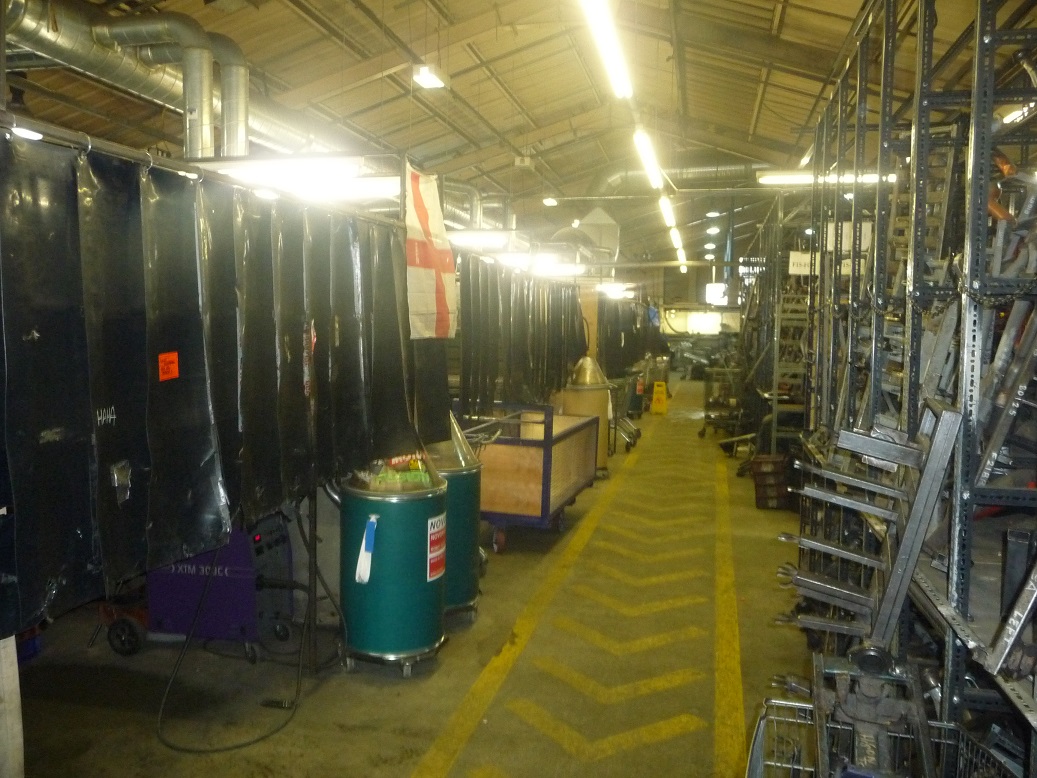
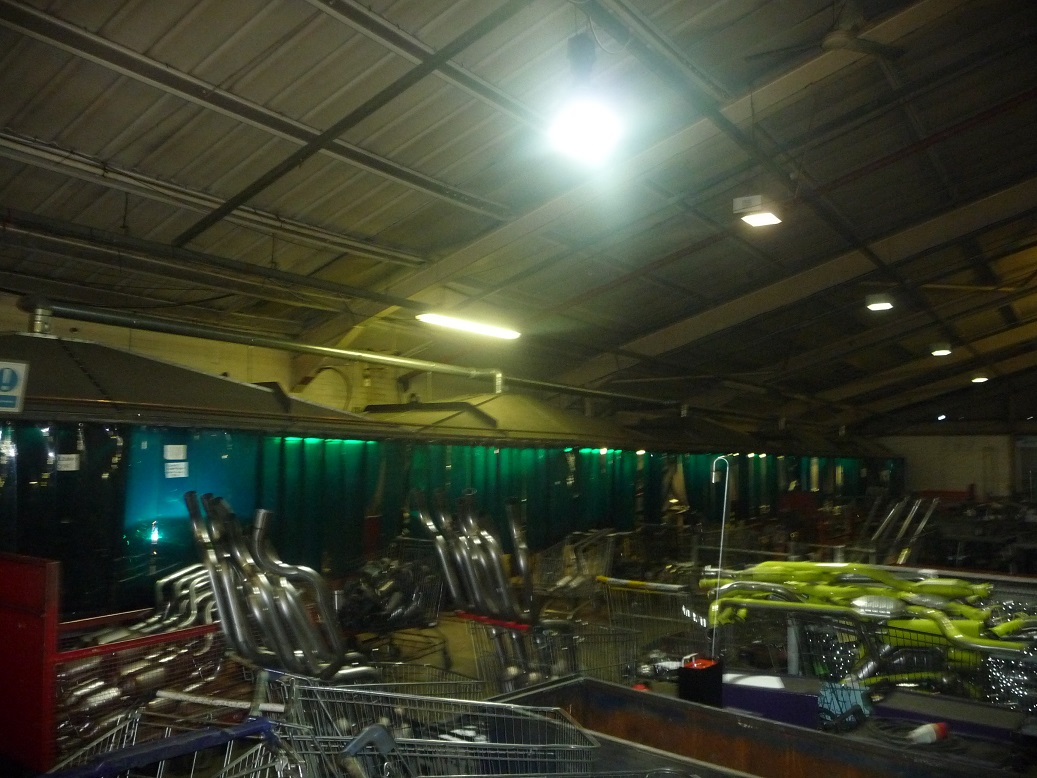
I have recently visited a company which specialises in production of catalytic converters. The company had a fairly large production area with approximately 60 employees. The majority of the employees were engaged in welding operations with a small number working on CNC machines. All of the welding operatives were engaged in similar type of work involving the preparation of the exhaust assembly and welding of each individual component together.
The welding operatives use MIG welding system with argon-oxygen shield gas and two types of welding wires. The G3Si1/ER70S-6 solid wire is a copper-coated, Mn-Si-alloyed wire with a welding fume composition of Fe=65%; Mn=5%, Si=5%, Cu=1%, Cr=0.1%. The rest of the welding operatives use Novotel SG2 welding wire with welding fume composition of Mn=1.42%, Si=0.865%, Cr=0.042%.
Welders who are regularly exposed to welding fumes are prone lung infection which can over time develop to severe and sometimes fatal pneumonia. According to HSE statistic “breathing metal fume at work leads to 40-50 welders each year being hospitalised. Pneumonia kills about 2 welders* each year”. Another risk from welding fume exposure is development of occupational asthma. The development of occupational asthma is mainly associated with exposure to Chromium trioxide and nickel oxide released during welding of stainless steel.

If the exposure are not controlled or are controlled poorly exposure to welding fumes can lead to development of more acute effects such as irritations of throat or lungs or metal fever. Exposures to ozone during TIG welding and nitrous oxides is mainly associated with respiratory irritations. Exposures to high concentration of metals in welding fumes can lead to metal fever symptoms.

My client company did not use respiratory protection equipment to control the airborne contaminants for the majority of the welders. A small number of welders working in a separate area was using the standard Ad flow air system.
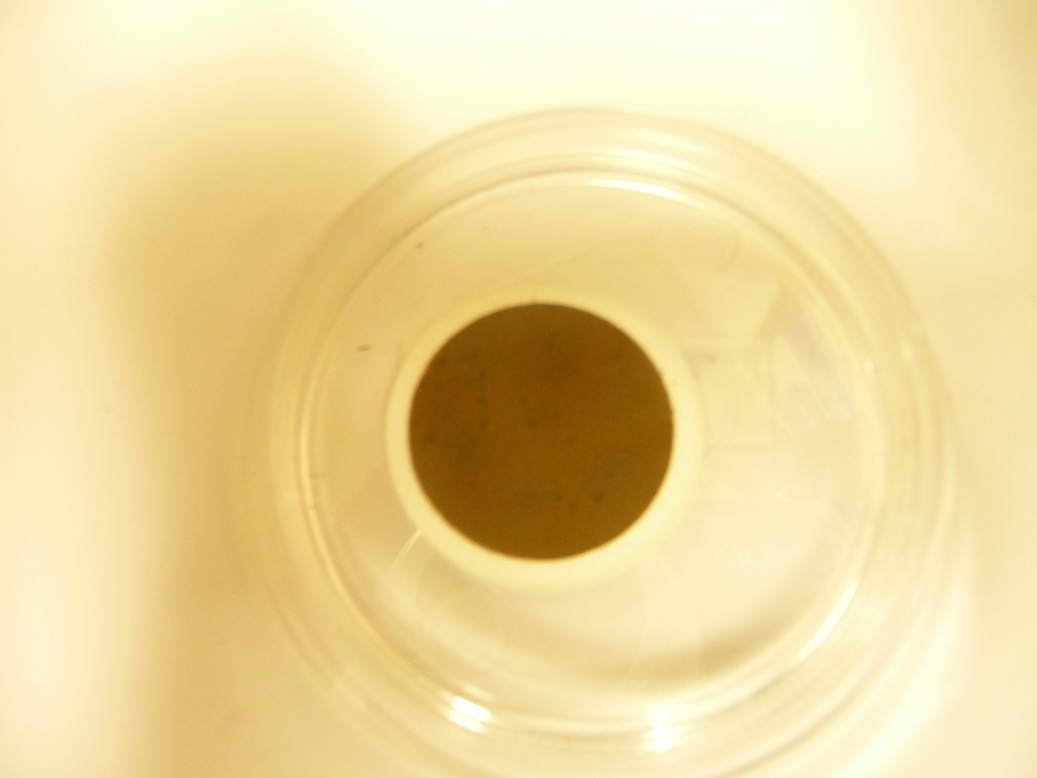
My welding fumes monitoring results suggested that the employees were unlikely to be exposed to levels of Chromium, Hexavalent Chromium, Manganese and Copper fumes above the recommended workplace exposure limits. Also the levels of inhalable dust were below the maximum workplace exposure limits in some cases the exposures could be considered significant.
I have recommended a review of the working techniques of the individual operatives to ensure that adequate protection during welding is achieved. Due to the risk of development of occupational asthma I have also recommended a health surveillance program as described in HS G401 document.
