Contaminants in the indoor atmosphere
In today’s article we discuss a recent project where we conducted an assessment of indoor air quality and a damp survey. Our client contacted us as the occupants of a flat had reported strong damp related odours, these odours were strongest in the master bedroom en-suite. The occupants had also reported other signs of water damage in various places throughout the flat. It was our job to assess the air quality in the flat and evaluate whether or not biological contaminants were to blame for these odours.
So how do we test the air quality?
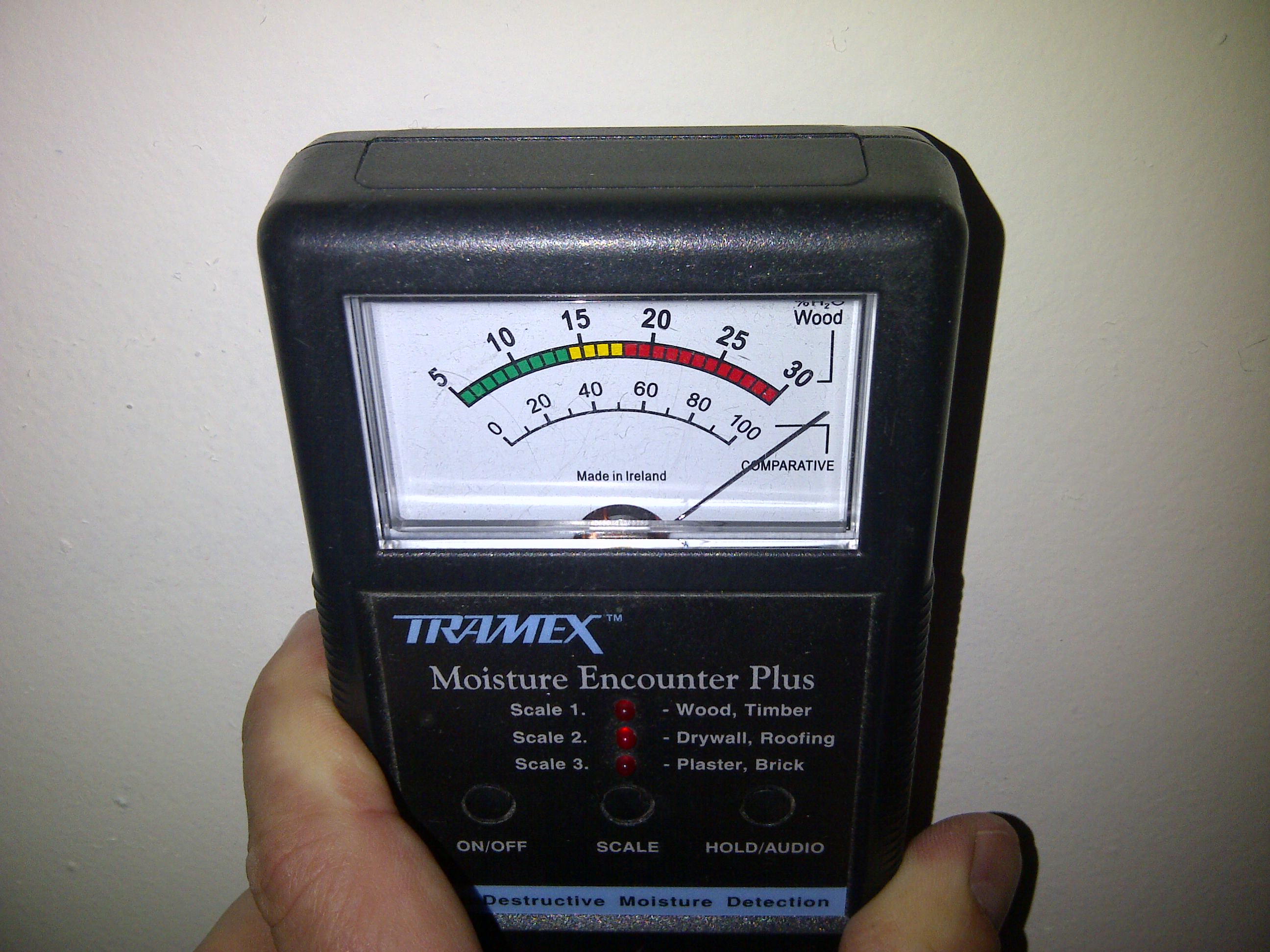
Firstly we take samples for different contaminants in a variety of places within the property. We used a High flow 1600 air sampling pump in order to collect samples of airborne moulds onto Vesta spore trap cassettes. These samples were collected over a period of ten minutes and we collected a total volume of 200 litres. In order to conduct a damp survey we must use a process called moisture mapping. In order to do this we require specialist equipment called a Hydromette HB30 moisture meter and a Tramex moisture encounter plus. For this assessment we also measured the humidity in the property, these measurement were taken with a Fluke precision humidity meter. Finally we measured the wind speed with a Rotating vane anemometer.
What did sampling and analysis reveal?
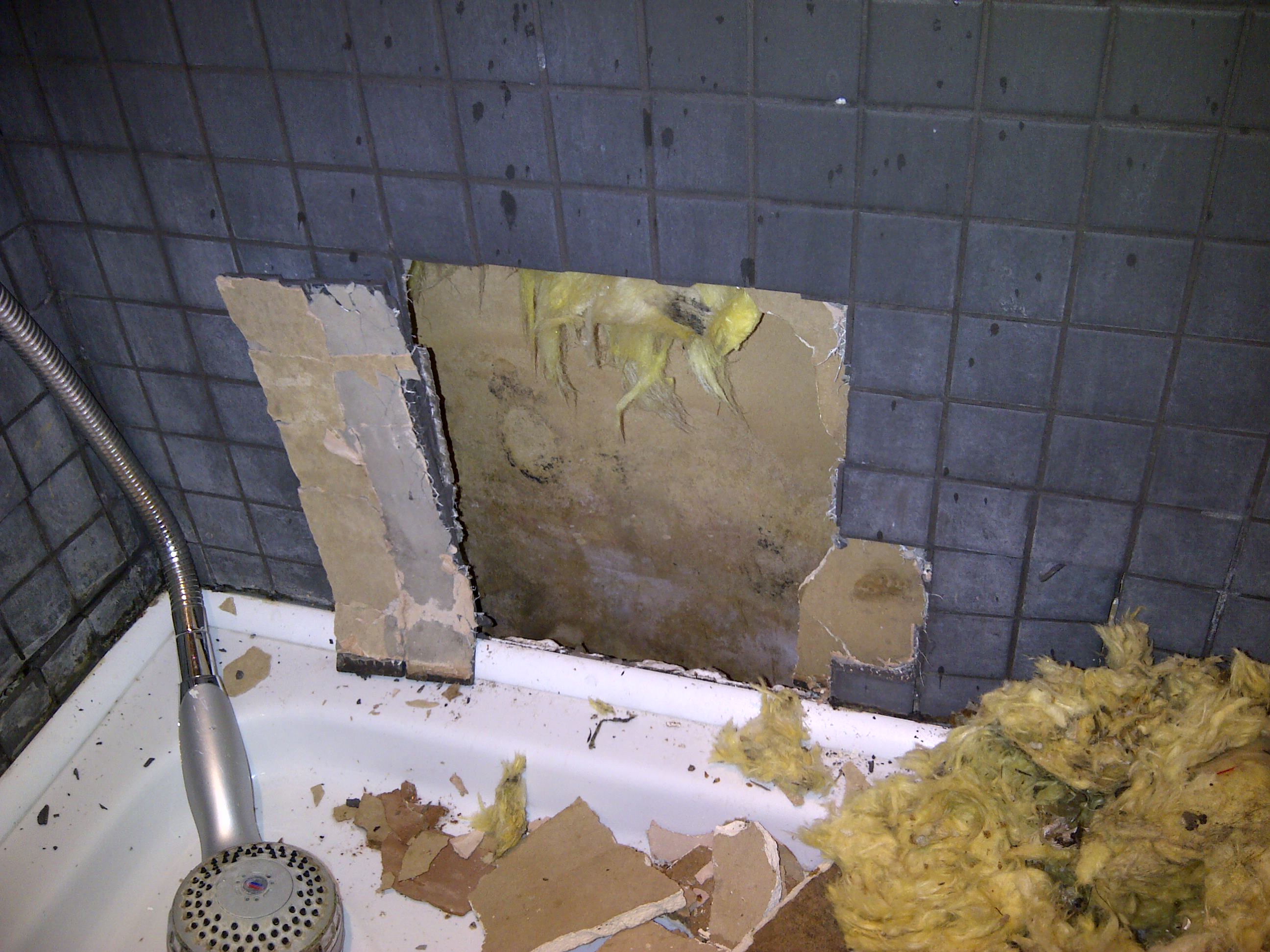
Mould spores and fungal fragments were identified in the indoor air. The type of mould spores found are Penicillium/Aspergillus, Chaetomium and Stachybotrys, these types of spores are typically associated with water damage and long term elevated moisture. Therefore the quality of the indoor air in respect to fungal spores and fragments can be described as poor.
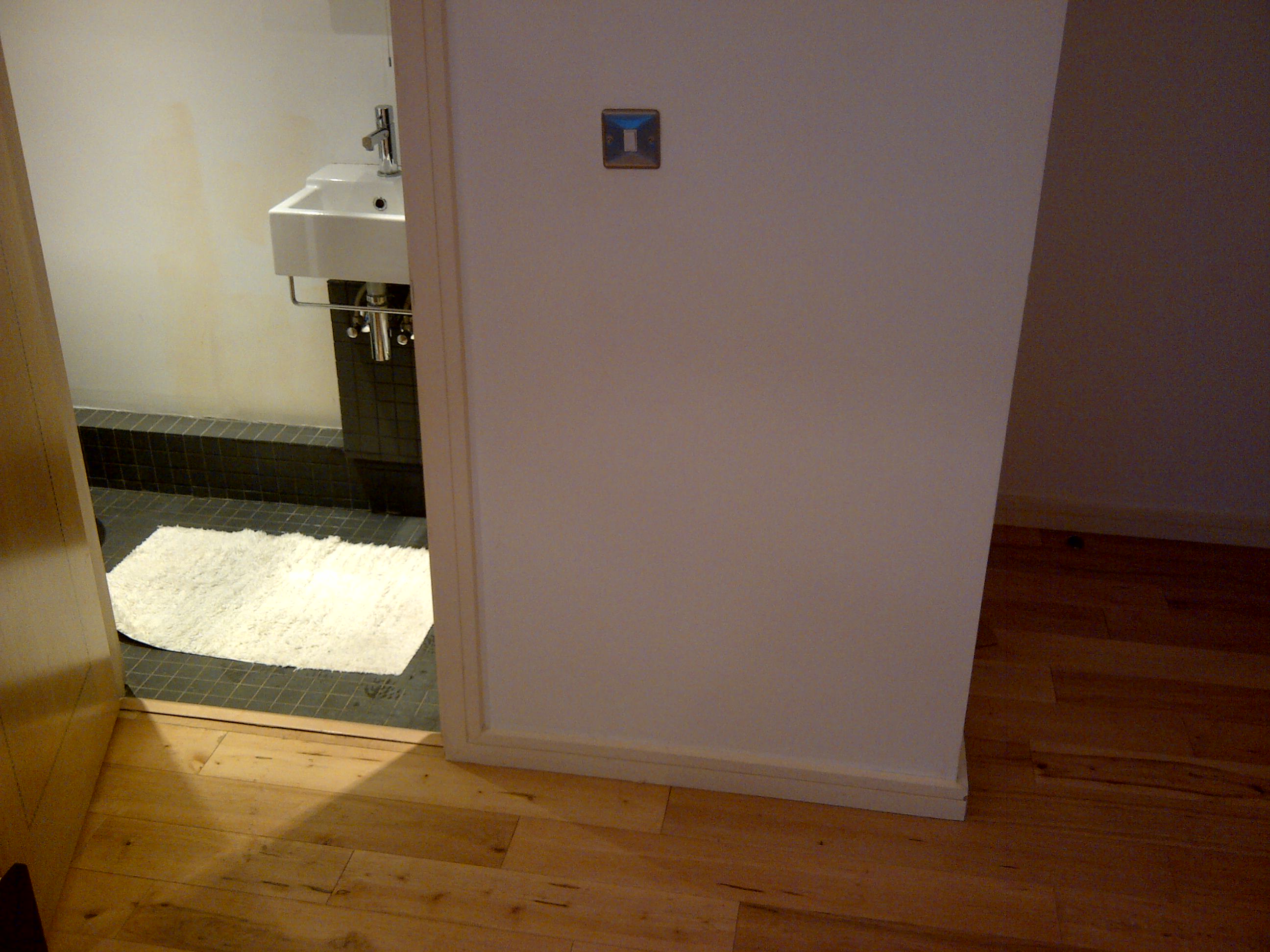
Moisture mapping revealed that the property is suffering from an active leak in the master bedroom en-suite and the kitchen/diner area. The water damage to the materials in this area is significant and substantial in extent. We confirmed that there was mould contamination to the internal cavity walls in excess of 10m2 but is likely to be significantly larger if the contamination extend under the wooden flooring. Therefore the extent of mould contamination within the property can be considered as significant.
What did we recommend based on the results?
Due to the extent of the contamination, we strongly recommended that the property should be cleaned under fully controlled conditions in order to prevent the mould contamination spreading further and the cross contamination of other areas. We also strongly recommend that necessary repairs are carried out on the property in order to prevent further damage and mould contamination. All existing mould contamination should be removed employing suitable decontamination and air management techniques.

