
Poor indoor air quality in a school
A school based in Westcliff-on-sea was our next stop where we were instructed to carry out an assessment of indoor air quality in relation to selected chemical contaminants. The school itself is has many sections. The canteen and associated kitchen are located in a single storey building in the high school’s central courtyard. The building is surrounded on all sides by 3-4 storey building. The kitchen consists of the main food preparation area, storage rooms, office and a changing room. There is also a small 10cm passive ventilation vent in the corner of the room which has been blocked off.
The room has a large Anderson gas powered water heater in the corner. This water heater carries a warning “ The water heater can only be installed in a room which complies with appropriate ventilation requirements”. We were called to inspect the property as some members of the kitchen staff had reported unusual gas-like odours in the changing room. The presence of odours is intermittent and has so far not been associated with other environmental occurrences. Several formal checks were carried out on the hot water heater however these checks did not identify any gas leakages in the room.
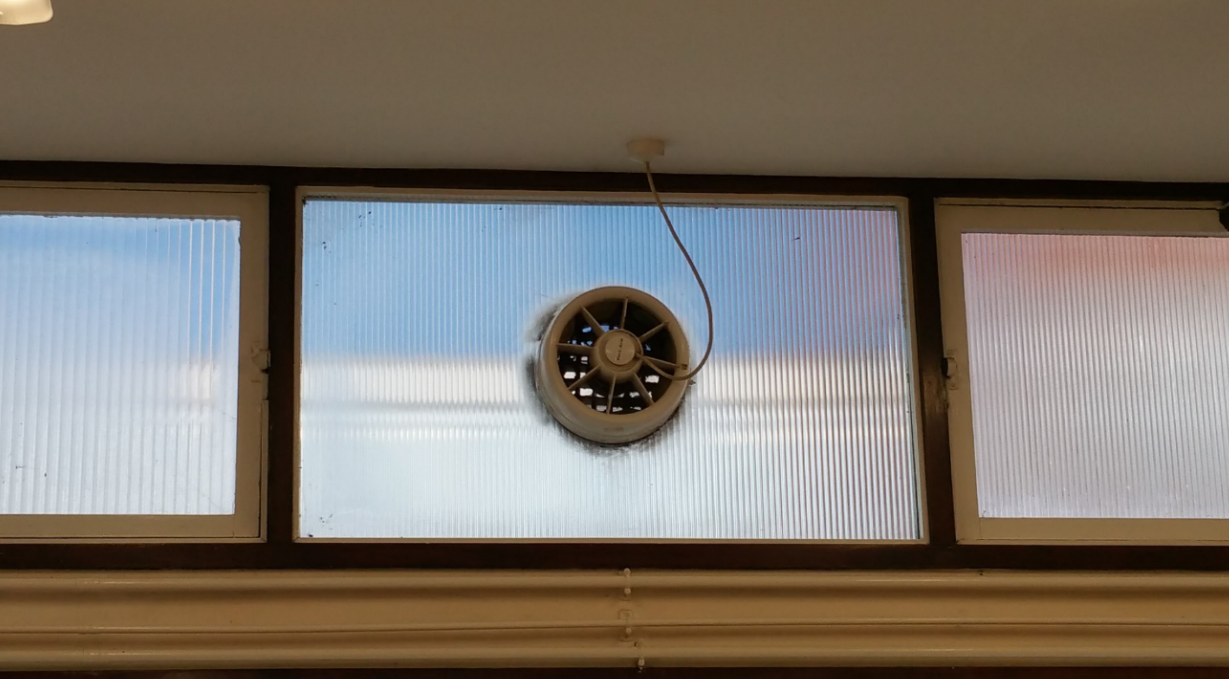
Sampling and analysis of VOC
We collected Volatile organic compounds and aldehydes samples using personal samplers fitted with TENAX anasorb thermal absorption tubes and SKC 226-119 tubes. Moisture mapping also was carried out using a Hydromette HB30 moisture meter and a Tramex Moisture Encounter Plus. The Wind speed was measured with Rotating Vane Anemometer and Carbon dioxide concentration was measured by a IAQ-Cal 7515 direct reading instrument.
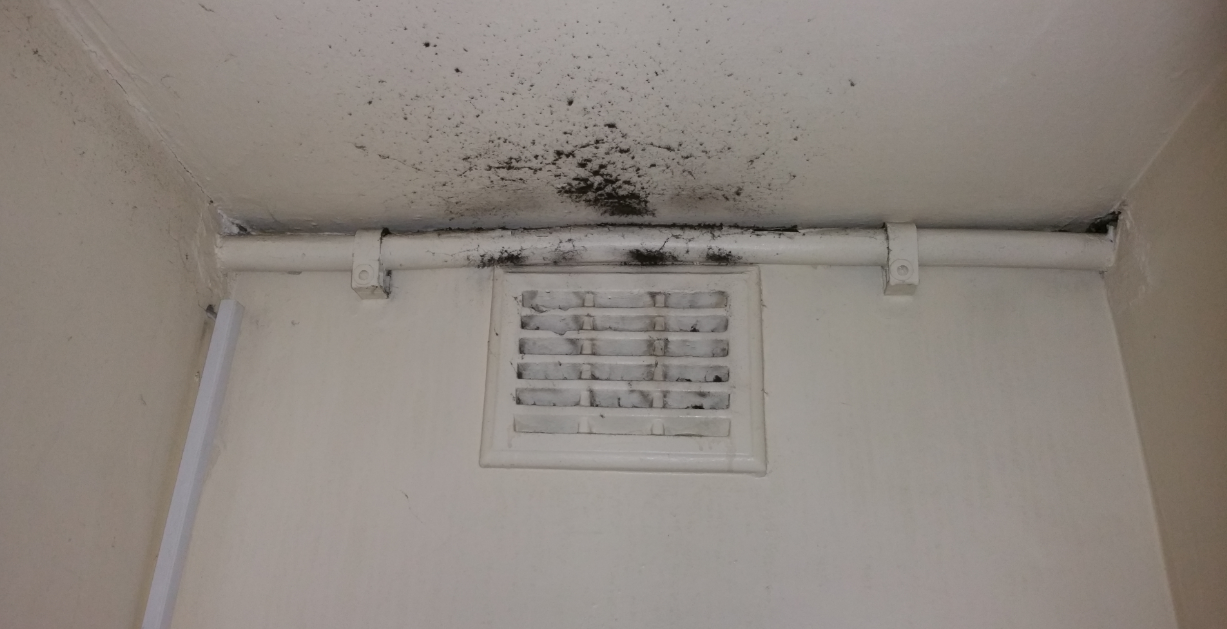
Conclusions based on sampling and analysis
Detected volatile organic compounds and aldehydes were present in the kitchen at very low concentration, this was not considered to be significant for indoor air quality purposes. The detected chemical compounds are very unlikely to be the source of the reported odours at concentrations detected.
It can be concluded that the ventilation in the kitchen area is inadequate. We strongly recommended to provide sufficient fresh air supply vents to the kitchen at the opposite end to the existing extraction. The boiler exhaust vent is located on the roof in close proximity to the two passive fresh air intakes for the kitchen. This arrangement might contribute to the high carbon dioxide levels in the kitchen.
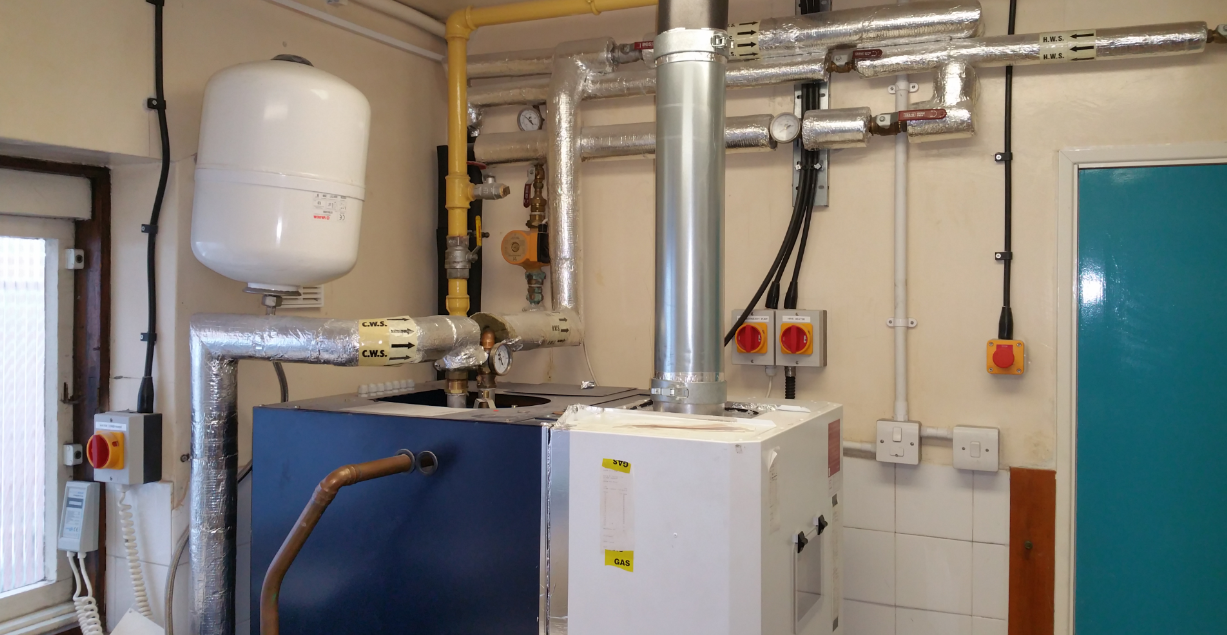
Recommendations to improve indoor air quality
Based on the results of moisture mapping, visual observation and chemical sampling and identification it is our surveyor’s opinion that the reported odours are not caused by the boiler under normal operation. None of the measurements and inspections carried out, identified a likely source of the reported odours. The assessment however indicates that the installed extraction system extracts significantly more air than is supplied into the working area. This creates a slightly negative pressure in the kitchen which might lead, in some occasions, to the suction of odours from other areas such as under floor pipes, service ducts and waste ducts into the kitchen.

