
I have been appointed to evaluate wood dust exposure in a small carpentry workshop. The carpentry and joinery specialised in production of custom made articles of furniture. Consisted of one single storey workshop building and a separate spray booth and sanding area. The wood working area was divided into a workshop housing a saws, an edge bander and various pieces of small machinery, and the carpentry area housing a chop saw and an assembly desks. There was a small number of employees working in the workshop area and couple of employees working in the spray booth/sanding area.

The main hazard were wood dust exposure and volatile organic compounds exposure. The company processed on average 20 percent of chipboard and MDF, 40 percent of soft wood and 40 percent of hard wood materials. The use of different types of wood is highly variable and therefore for the purpose of my assessment I have considered all dust to be the hard wood dust. The employees working in the spray booth area were most likely exposed to water based paints. To a lesser extent paints with high content of organics were used. The main hazardous components of the coatings used are Methyl Ethyl Ketoxime, Xylene, Ethyl benzene and Butanone oxime.
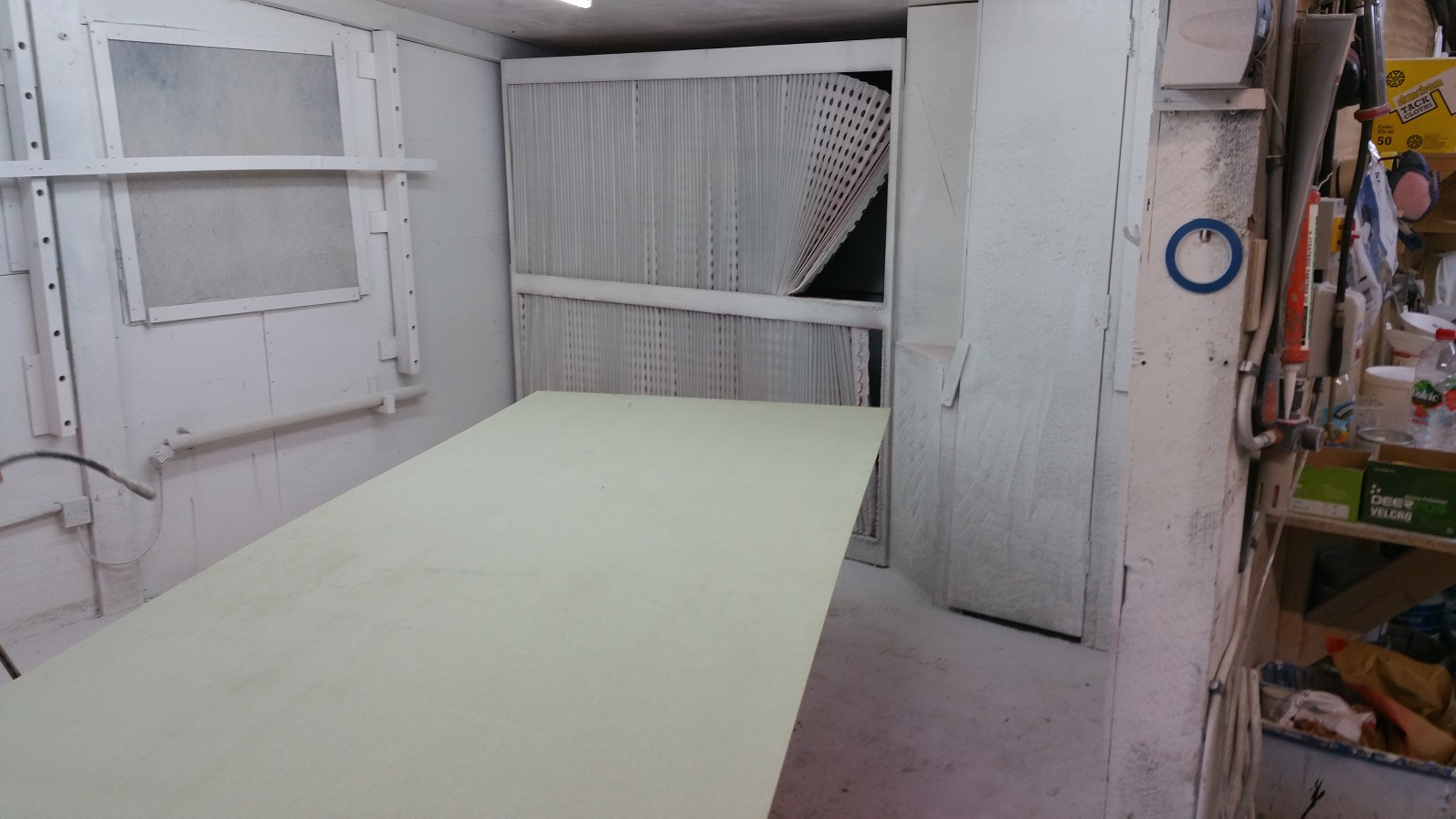
After consultation with the manager and site operatives and observation of the work practices I have concluded that the employees tend to work on all pieces of machinery as and when required. The use of individual machines and duration varied depending on the work undertaken. The employees working in the spray booth area tend to do short 5-10 periods of spraying followed by extended periods of drying. During drying time the employees worked in the sanding area.

I have collected wood dust personal exposure samples from all of the operatives which confirmed that the woodworking operatives were likely to be exposed to levels of inhalable wood dust above the workplace exposure limits (WELs). My monitoring result also confirmed that the spraying operatives are unlikely to be exposed to levels of volatiles.
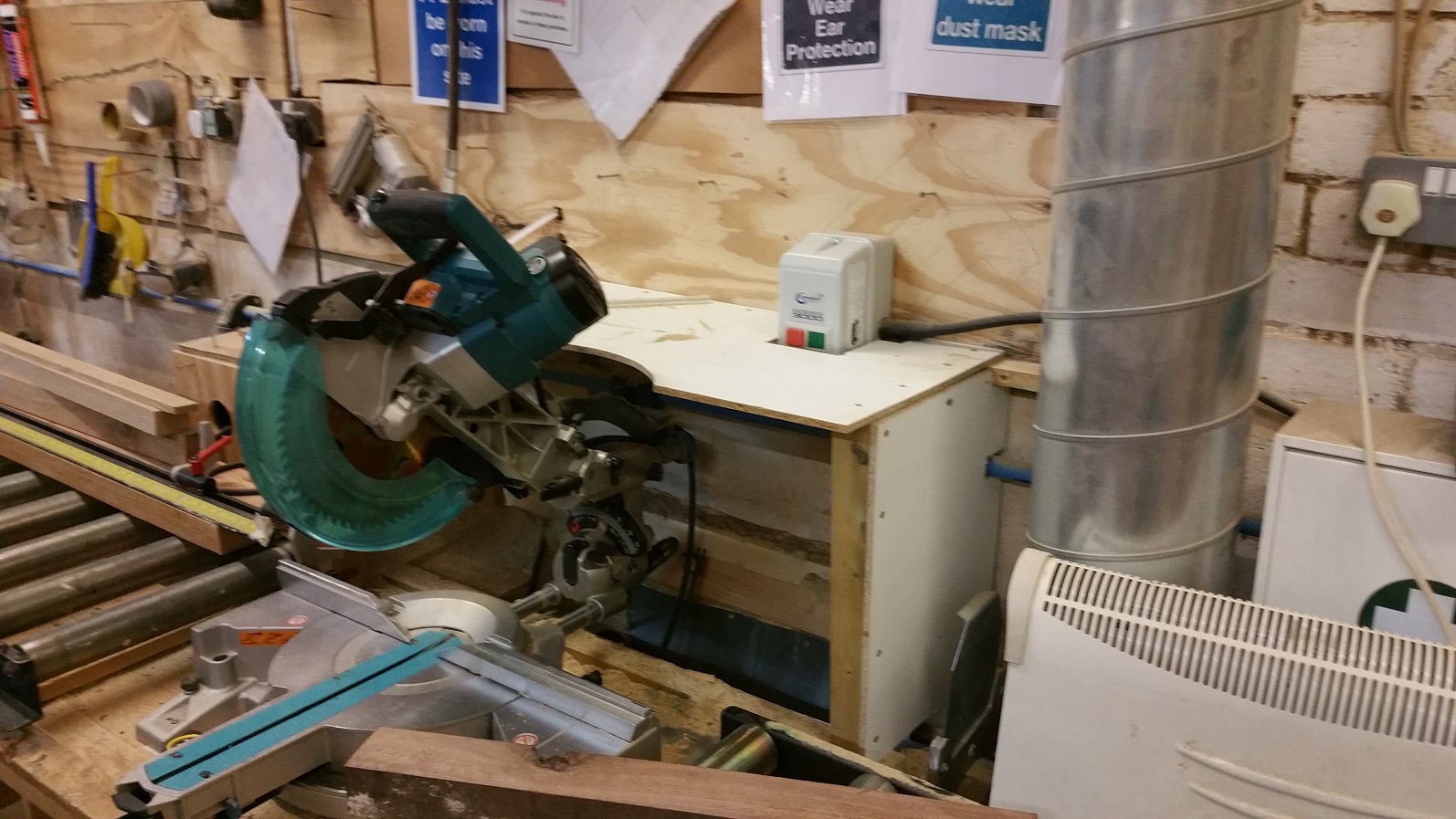
I have assessed the existing fixed engineering controls and concluded that they are all performing satisfactory and provide adequate control of contaminants. The majority of exposure could be associated with the use of portable woodworking equipment. I have recommended to introduce mandatory use of respiratory protective equipment of at least FFP2 standard during the use of portable woodworking equipment. I have also recommended that due to the fact that wood dust is a known respiratory sensitiser a health surveillance program should be introduced.
In addition to the obvious hazard sources have also identify a significant problem with the existing hating system and general ventilation. The heating system was using a wood burner exhausted through the roof of the building. However, due to the fact that the building was quite cold in winter it was well insulated and all opening gaps have been sealed. This has created a problem with general ventilation which was only provided through open door. Naturally, in winter the doors remained closed most of the time. The company was using several high capacity local exhaust ventilation systems which when running were creating significant pressure drop inside of the building. At times of strong outside winds the exhaust ventilation systems was overwhelmed the natural exhaust of the wood burner and was drawing in burning contaminates into the working areas. This has created a significant health risk for the employees as many potentially toxic contaminants were being drawn into the working areas. I have strongly recommended to provide an adequate active fresh air supply into the workshop area to improve general air quality and to prevent back flow of wood smoke and potentially hazardous combustion products into the working areas.
Wood Dust: Control the Risk
Small particles are released when wood processing takes place, this causes wood dust to become suspended in the air and workers can inhale these particles and become ill. The upper respiratory system can filter out the larger dust particles, however, smaller particles can go deep into the lungs causing damage and scarring to the delicate lung tissue. Whenever this happens, a small amount of irreversible damage occurs. This reduces the lungs’ ability to take in oxygen and over time makes it increasingly difficult to breathe.
A mixture of other chemicals in some wood products also increase the health risks. Chemicals such as glues, resins, formaldehyde, and other wood treatments. The potential health risks of wood dust are the following:
- Lung diseases such as occupational asthma
- Lung cancer
- Irritation and damage to the eyes
- Ulcers/skin irritation, and dermatitis
When carrying out work such as:
- Cleaning dust extraction systems
- Sanding
- Dry sweeping dust
- Sawing/Cutting
You are at risk of the previous health effects. To control wood dust exposure, make sure there is local exhaust ventilation installed to protect everyone in the workplace and provide RPE (respiratory protective equipment) to everyone in the exposure zone.
As an employer you should apply the most effective control measures. RPE equipment should not be the first or only control measure in place, eliminating the wood dust is the most effective way, however this is not always possible. Here are some recommendations to lower wood dust exposure
- Eliminate risks by buying pre-cut or processed wood materials
- Install local exhaust ventilation systems to capture dust from cutting, shaping, and sanding wood.
- Use on tool extraction systems on saws and grinders to control dust at the source
- Water dampening methods where practical (sweeping)
- Avoid fans/ compressed air to move wood dust
- Provide industrial vacuums
- Minimise exposure by limiting the time that each person spends in exposure zones.
- Advise workers to wear the provided RPE when working around dust
- Provide washing facilities
If you’re not certain if the levels of dust can be harmful, exposure monitoring should be undertaken, Sysco Environmental provide professional occupational hygienists to carry out exposure monitoring and have extensive experience in monitoring wood dust in wood processing industries and can help you achieve effective control methods. For more information, visit Sysco Environmental’s occupational exposure monitoring website.
Reliable Information
Wood Dust PDF: Controlling the Risks
Wood Dust: What you need to know

